Live From New York: It’s the New Front Door To Care
How Creators, Search and AI Are Changing the Patient Journey
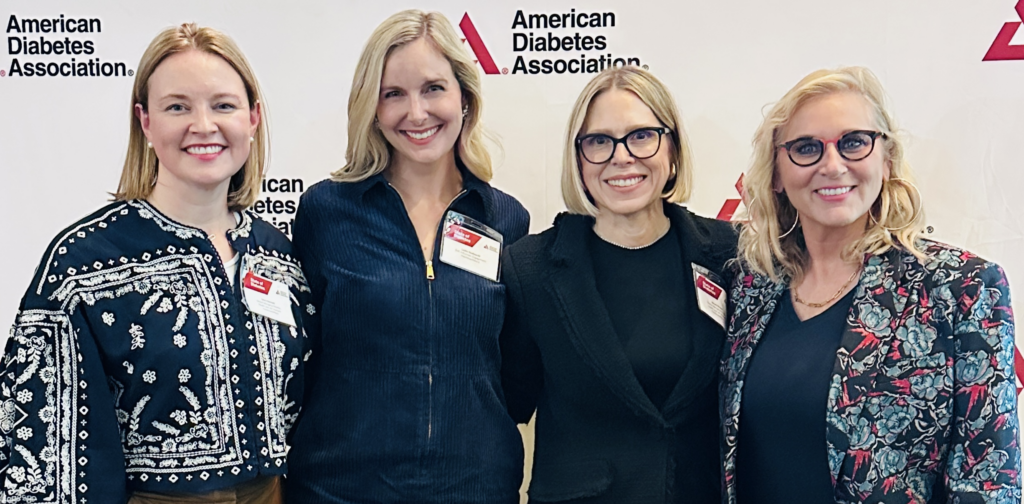
At the American Diabetes Association’s State of Diabetes: NYC, FleishmanHillard hosted a Featured Perspective, “The New Front Door to Care: How Creators, Search and AI Are Changing the Patient Journey.” Moderated by Maura Bergen, the conversation with Sarah DaVanzo, Leslie Godlewski and Mary Kosinski explored how healthcare organizations can help patients find trusted information in an evolving digital world.
A patient might recognize their own experience in a creator’s story, search for treatment information and ask an AI tool what to discuss with a doctor. After the appointment, that patient may return to those same sources with questions about cost, coverage or daily life.
Care’s new front door is wherever people begin seeking answers.
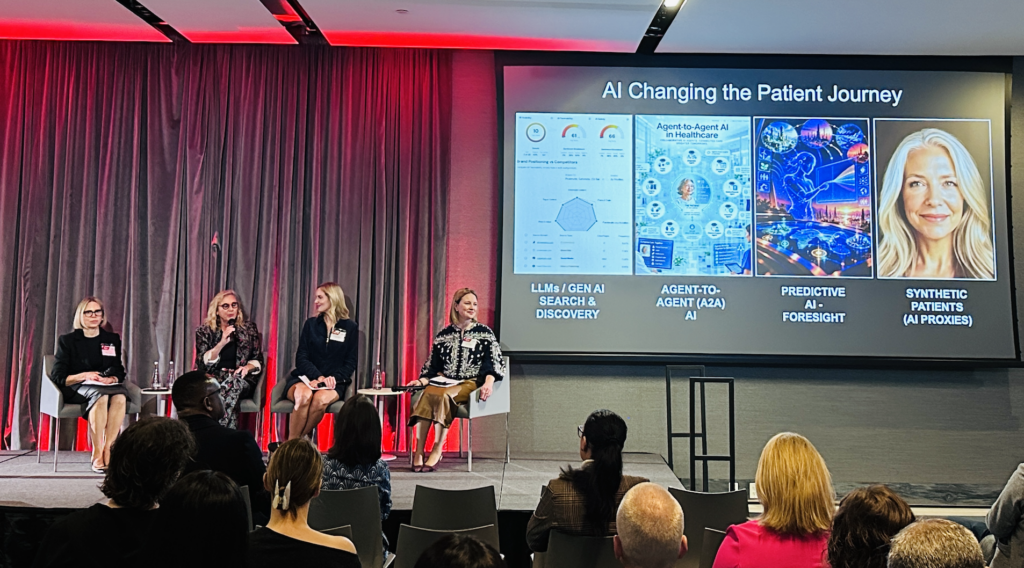
For health and life sciences marketing and communications leaders, the opportunity is to connect those moments so discovery leads to understanding and understanding supports an appropriate next step.
This requires planning for the questions people carry between channels and the answers they encounter throughout their journey. Communications should help patients, healthcare professionals and caregivers make sense of information across touchpoints.
Follow the Questions Through the Whole Journey
Maura Bergen, Global Managing Director, Health & Life Sciences, makes the communications challenge clear: “Understanding the information journey is only the beginning. We also have to translate what we learn into stories and messages people can understand, trust and act on.”
That translation starts with listening to the questions people actually bring.
A patient may be trying to afford a prescription. A healthcare professional may need to address a misconception. An employer may need to explain benefits. Payers and buyers have their own questions about evidence and coverage. Advocates can help identify whose needs and experiences are missing.
These audiences need a shared foundation of accurate information, expressed through messages and channels suited to their roles. Consistency should preserve the evidence and reinforce the narrative while making room for different questions.
Mary Kosinski, Global Managing Director, Health & Life Sciences, asks: “Are we taking into consideration not just the whole patient, but the whole environment that they’re operating in?” Her question connects communications to the conditions that shape the patient journey, including coverage, affordability, policy and care delivery. Clear information can help people navigate those conditions, but communications alone cannot remove the barriers.
Consider GLP-1 medicines. Someone may understand a treatment’s purpose yet struggle to find out whom to contact about access or what to ask their clinician. Map those moments of uncertainty, including what happens after a prescription. Identify the questions patients are likely to ask in their own words.
Bring access teams and patient voices into communications planning, including the development of FAQs, at each stage of the journey.
Healthcare professionals can also ask patients, “What have you learned or seen?” Acknowledging concerns and questions can help clinicians direct patients to appropriate, accurate resources.
Communications teams can support those conversations with clear explanations in natural language, visual aids and patient FAQs.
The information journey sits on both sides of the exam table.
Make Creator Credibility Part of the Journey
Creators can give health information a human context: what an experience feels like, which questions someone hesitated to ask and how daily life intersects with care. Their communities can also reveal concerns that formal messaging has overlooked.
“You cannot separate reputation from influence,” says Leslie Godlewski, Senior Vice President, Influencer Engagement. That principle should shape how organizations choose partners and define their contribution.
Look for relevance to the audience, transparency about relationships and care in distinguishing personal experience from clinical guidance. A clinician creator and a patient advocate bring different perspectives. Both can help people prepare for informed conversations with healthcare professionals.
Build partnerships around useful questions:
- What might someone misunderstand?
- Which information needs a source or qualification?
- Where should the content direct someone for individual guidance?
Give creators clear evidence and boundaries while preserving the voice that makes their contribution meaningful.
For communications leaders, this means connecting creator strategy with patient education, earned media and access information. A compelling story should offer a path to reliable resources. Follow that path yourself: can someone move from recognizing an experience to finding an answer they understand, then to appropriate help?
Listen for feedback after publication, too. Audience questions should inform the next explanation, partnership or story.
Connect Search and AI with Trusted Sources
Search connects a person’s question with sources they can explore. AI features within search can also synthesize responses and link to supporting material. Communications teams should examine both the information people find and how it is represented in an answer.
AI is not only a front door. It can also act as a gatekeeper.
In January 2026, OpenAI reported that more than 230 million people globally were asking ChatGPT health and wellness questions each week. That scale underscores the importance of reliable information across the digital environment. Earned media can be part of that information infrastructure, alongside clinical evidence and organizational content.
Clinical evidence anchors the story. Independent reporting adds scrutiny and context. Responsible creators make information relatable.
Organizational content should provide clear explanations, data and visual aids across paid, owned, earned and shared channels. These channels have different roles, so planning should connect them.
Google’s guidance says established search practices, including helpful, reliable content, remain relevant to its AI features. For healthcare organizations, a practical starting point is accessible, clinically reviewed information that answers real questions, identifies its evidence and shows when it was updated.
Assess linked pages as carefully as search results. Does a promising link lead to useful information? Can someone find the answer to a practical question? Someone looking for coverage help should be able to identify the right service without interpreting an organization chart. The strategic task is to make credible information easier to discover and use. Give search, social, earned media and medical colleagues shared audience priorities, with clear responsibility for maintaining the information people depend on.
Measure What People Can Do Next
To audit your front door to care, start with 50 anonymized questions gathered from patient services, healthcare professionals and community listening. Examine search results and responses from tools such as ChatGPT, Gemini, Claude and Perplexity. Record the date, sources cited, missing context, misleading claims and unclear next steps. Repeat the exercise to assess consistency.
I recommend establishing an AI Answer Stewardship team or task force that brings together communications, medical, regulatory, access and digital expertise. Its role is to improve the accuracy and accessibility of information within the organization’s control, not to govern third-party AI outputs. Assign owners to material information gaps, update source content and recheck it after significant changes to evidence or coverage.
Measure understanding alongside visibility. Can patients prepare better questions? Can employees locate benefits information? Can healthcare professionals find useful resources to support a conversation? Test these outcomes with the intended audiences.
Share of answer can help measure visibility, but it is not enough on its own. In healthcare, the quality, credibility and usefulness of an answer matter more. The more meaningful measure is whether people can understand the information and act on it appropriately.
An emerging challenge for communications leaders is designing for an Agent-to-Agent landscape, in which AI agents authorized to help patients navigate care may seek and use information on their behalf. Preparation starts with Maura’s essential question: what should someone be able to find, understand or do more easily?
That is the standard we should apply to every new front door we create.
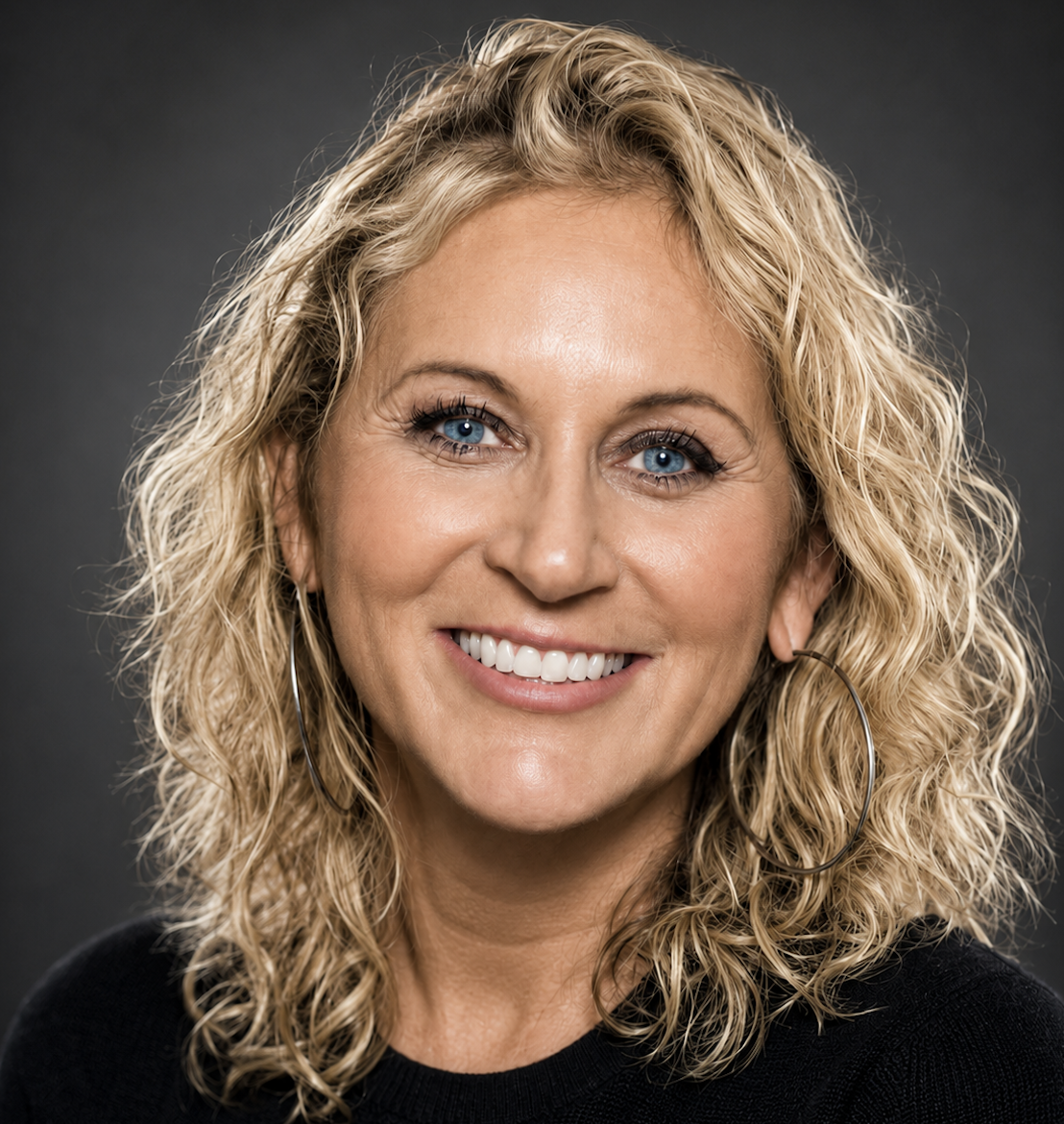 Sarah DaVanzo is a global integrated marketing communications leader and head of FleishmanHillard’s Culture Foresight and Innovation capabilities, Sarah writes for Rolling Stone and Fast Co. and is the author of Exotic Thinking: A Code to Innovating in the Age of AI (Wiley, April 2027).
