The Chaos Advantage Is Yours for the Taking—If You Listen
The case for marketing moving from broadcast to participation
I think we have been asking the marketing mix to do the wrong job.
For decades, we organized marketing around distribution: paid, owned, earned, social, creators and experiences. How do we get our story into the world, and how do we make it travel?
But culture moves too quickly for a campaign calendar to tell us what matters. Communities are too fragmented to behave like a single audience. A competitor can change the temperature before the next planning meeting.
Today, the story isn’t ours to own.
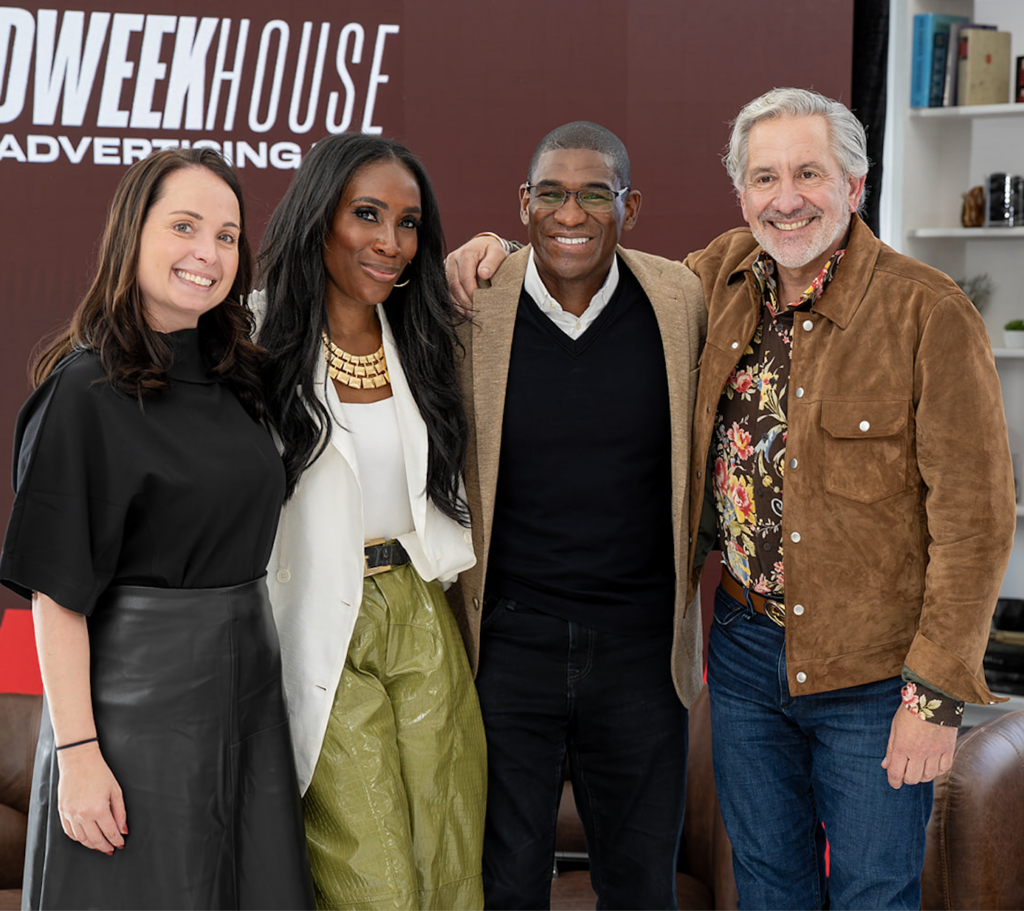
During Advertising Week, FleishmanHillard took the ADWEEK House HQ stage with Elyse Blouin of Lowe’s, Janelle Panebianco of Papa Johns and our client AJ Jones II of Monumental Sports & Entertainment to discuss how their experiences in modern marketing track against our new study, The Chaos Advantage. Their perspectives were different, but the theme persisted: in a fragmented culture moving at extraordinary speed, the brands that move first, rather than wait, aren’t the ones acting on everything, but they are the ones listening hardest. Watch the Full Panel Here
Panebianco said it best: “Culture moves faster than the speed of light. There is no longer one monoculture to follow. There are micro-communities. The old linear storytelling journey doesn’t really exist anymore.”
So what do you do? You listen. You use data. You understand where and when your brand has something meaningful to contribute. Then you move.
That is a different definition of speed. Not getting a campaign through approvals faster, but being close enough to culture to recognize an opening while it’s still an opening.
Jones described it as “setting your own table.” No team can wait for someone else to create the conditions for them. In sports, where fans increasingly shape how a team is understood, he described the responsibility to become a kind of cultural utility, creating things that can live in the community, while knowing when to shape culture and when to let culture play.
That idea extends far beyond sports. The most interesting brands today aren’t trying to insert themselves into culture. They are trying to create something culture can use. That requires listening before broadcasting.
One of my favorite examples is the work our client Marisa Thalberg and her team are leading to bring JCPenney back into the cultural zeitgeist. They didn’t begin with a product brief or seasonal calendar. They began with something they heard: “Really, JCPenney?”
There was disbelief, a question mark attached to the brand. So they turned the question mark into an exclamation point. “Yes, JCPenney!” That shift created an entirely different posture, an underdog mentality that gave the team permission to keep listening for moments when the brand was underestimated, and turn them into opportunities:
The point wasn’t convincing people JCPenney had suddenly become something it wasn’t. It was giving them a reason to reconsider what they thought they knew.
That is also why we should rethink where earned sits in the marketing mix. Earned isn’t the ending, it’s the start. It tells us what is gaining traction, what communities care about, where attention is moving. And earned is where the market talks back. That framing can shape the brief before a dollar is spent behind it. The signal should come first.
Elyse Blouin made the same connection from a different angle: “We sit on so much data, and that enables us to move quickly. Then, we give our creator network the keys.” I love that. The brand doesn’t have to control every expression. It needs to create something worth participating in. That’s earning it.
In a second panel at Advertising Week, FleishmanHillard was joined by modern challengers Patrick O’Keefe of e.l.f. Beauty, our client Stephanie Evans Greene of JetBlue and Lexi Wolfe of Contagious, our partner in creating The Chaos Advantage.
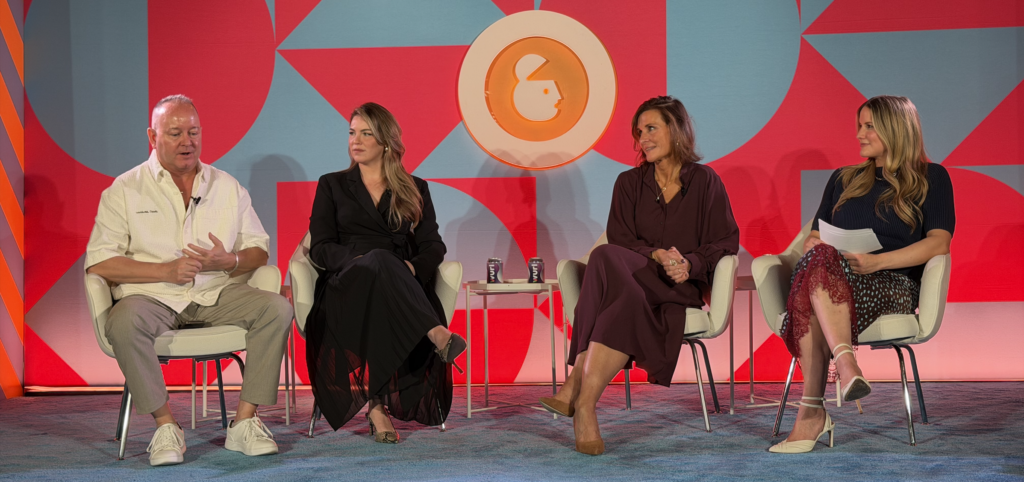
O’Keefe discussed e.l.f. Beauty’s “Zero Distance” approach. The brand reads comments, listens to what its community wants, learns and leans in. All at e.l.f. speed. When 77% of that community said they wanted hair care, e.l.f. launched it. Its CEO goes directly onto Twitch, not to broadcast, but to listen. The community isn’t an audience waiting to receive the brand’s story. It’s helping determine what the brand becomes.
Wolfe got to the heart of it: in a marketplace this uncertain, it’s incredibly expensive to try to own your narrative and broadcast it yourself. The brands winning know what they stand for, but stay flexible about how that meaning shows up. And when they “share the pen,” the effectiveness is magnified.
Being willing to share authorship requires a different relationship with certainty. Evans Greene made the point that being data-centric doesn’t equal certainty. Technology and humanity aren’t competing forces; technology should make human experiences better. As she put it, “humanity is the new luxury.”
So how can we be more human, move at the speed of culture, listen, and be bold, all during a time when predicting what’s next is impossible, and relinquishing control feels uncomfortable?
Get comfortable with discomfort, like your business depends on it.
That’s where The Chaos Advantage becomes useful. Our survey of 1,000 senior global marketing and communications leaders found a striking gap: 88% believe bold creative drives impact, yet most organizations still produce mostly safe work. Two-thirds say their risk-management processes block action more than they enable it. Bold work takes seven days to get approved, more than twice as long as safe work. Safe and bold brands experience public backlash at almost exactly the same rate, roughly one in five. We’ve built enormous machinery around protecting brands from backlash. The data suggests caution doesn’t make the outcome safer. It may just make us slower.
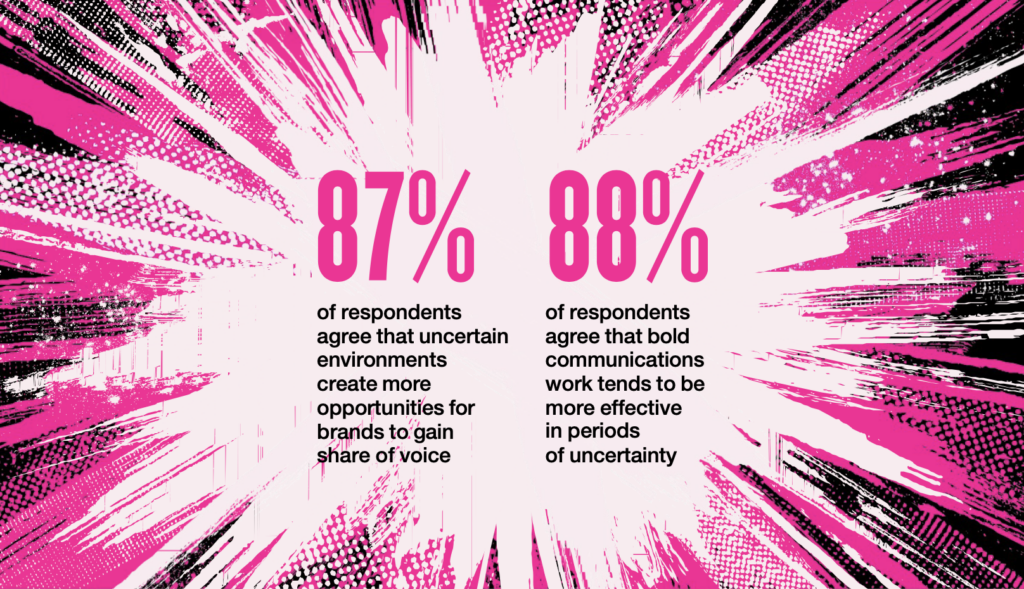
Dull, uninspired creative doesn’t just disappear into the feed either. Brand conversion drops 37% and long-term ROI falls 14% when organizations default to it. And 42% of leaders have already watched a competitor take share while they waited.
So the question isn’t whether brands should take more risks. It’s whether they’re listening enough to know which risks are worth taking. And what could we lose if we don’t?
Listening used to be reserved for risk management. Today, Reputation and Brand Impact together are what give businesses the license to lead and grow.
Listen. Notice. Interpret. Create. Participate. Respond. Then put the full power of marketing behind what has earned the right to travel.
 Cameron Shields is FleishmanHillard’s Global Head of Consumer, Brand Impact .