Earning Your License to Lead: UNGA, Climate Week and Beyond

As leaders prepare for another United Nations General Assembly (UNGA) and Climate Week in New York, some things are familiar: hotel prices are astronomical, and there are more events than any calendar can hold. But treating these two weeks as a single moment misses the point. Climate Week focuses more directly on climate commitments, progress and implementation, while UNGA brings together a wider set of global policy, development, business and civil society stakeholders. Done well, both are tests of disciplined leadership — not simply moments for greater visibility.
Impact storytelling faced a reckoning in recent years. Too often, companies made themselves the heroes of their own stories, chasing culture rather than leading with authenticity, and commenting on every issue rather than the ones that truly mattered to their business. Commitments multiplied, often benchmarked against competitors rather than grounded in enduring reality.
That overstatement gave way to a widespread retreat. Now, the pendulum needs to find a steadier center.
Why? Because avoiding any discussion of what a company is doing carries its own risk. License to Lead research from FleishmanHillard found that only 10% of U.S. engaged consumers — those who took three or more distinct actions in the prior year based on a company’s reputation, including research, advocacy and purchasing decisions — say they have “a lot” of confidence that leaders of large companies will act in the best interest of society. Contrast that with 92% who say a company with a strong reputation has more permission to undertake a major business transformation.
For business leaders, this is both a crisis and an opportunity. The baseline confidence that allows companies to act is broken. But that also means there is real room to grow for organizations that genuinely invest in earning stakeholder confidence, of which responsible business is an important ingredient.
The Credibility Test
What truly builds confidence isn’t eloquent reporting or polished messaging. It is integrity and honesty — qualities 83% of engaged consumers say are very important, yet only 16% say leaders of major companies demonstrate often. That gap reflects a real disconnect between what stakeholders value and what they perceive; it is a signal of the modern credibility challenge, not a direct measurement of the difference between what companies claim and what they do.
The research reveals a critical insight for responsible business leaders: stakeholders will accept adaptation if it’s properly explained. What they won’t forgive is the sense that an organization’s values are negotiable — that commitments to sustainability or social responsibility shift with whichever way the wind blows rather than being rooted in enduring principles.
Responsible business priorities may evolve. But companies need to demonstrate what remainsconstant, why their approach is changing, how stakeholders will be affected and how leadership will remain accountable. Communications should explain and reinforce that work — they cannot substitute for it.
Earning Your License to Lead
Change is inevitable in today’s volatile landscape. What we call a License to Lead is the confidence stakeholders grant organizations to evolve while maintaining legitimacy and support. Earning it requires more than a credible narrative — it requires leadership alignment, stakeholder insight, disciplined engagement, clear accountability and visible consistency between words and actions. This demands four critical practices:
1. Anchor Your Priorities. Ground sustainability and impact efforts in a small number of durable, business-aligned principles and objectives rather than a constantly shifting array of initiatives. Stakeholders are overwhelmed, and clarity builds confidence.
2. Hero the Right Things. Putting the spotlight on the company to “get credit” opens upmore vulnerabilities. Instead, focus on why a specific issue is relevant to the organization and its stakeholders, what the company wants to achieve, measurable impact along the way and the challenges or obstacles and how they are being addressed.
3. Explain Your Why. If evolution is necessary, don’t hide the rationale. Acknowledge what circumstances have changed and what remains constant. Admitting that assumptions shifted isn’t weakness. It’s proof you’re still in control.
4. Structure Execution Around Fairness. When decisions impact communities, workers, or the environment, understand and mitigate those impacts before decisions are finalized — not just when communicating about them afterward. Respectful communications should then explain the work, structured to maximize dignity, not just efficiency.
Putting the Playbook to Work
The four practices above are not abstractions but exactly what leaders should apply next week, and in the weeks that follow.
With UNGA and Climate Week now at hand, the moment for extensive pre-work has largely passed. What matters most is discipline in the days ahead: being selective about engagements,tying them to substantive business priorities and using them to genuinely listen to stakeholders who can inform decisions, rather than simply amplifying announcements. The real test, though,comes after the week concludes. Will organizations assign clear ownership for the commitments they discuss and report progress against milestones stakeholders can track?
Handled this way, UNGA and Climate Week stop being a test of visibility and become a test of discipline — proof that an organization’s License to Lead extends well beyond the time in New York.
Moving Forward
Building reputation and stakeholder confidence comes through disciplined leadership behaviors: clarity, alignment, candor and genuine engagement that proves words and actions are aligned. UNGA and Climate Week aren’t moments to earn credit — they are tests of whether that discipline is real.
Ready to earn your organization’s License to Lead? FleishmanHillard helps organizations align responsible business strategy, leadership decisions, stakeholder engagement and communications. Explore the full research and connect with our team to discover how these findings apply to your organization.
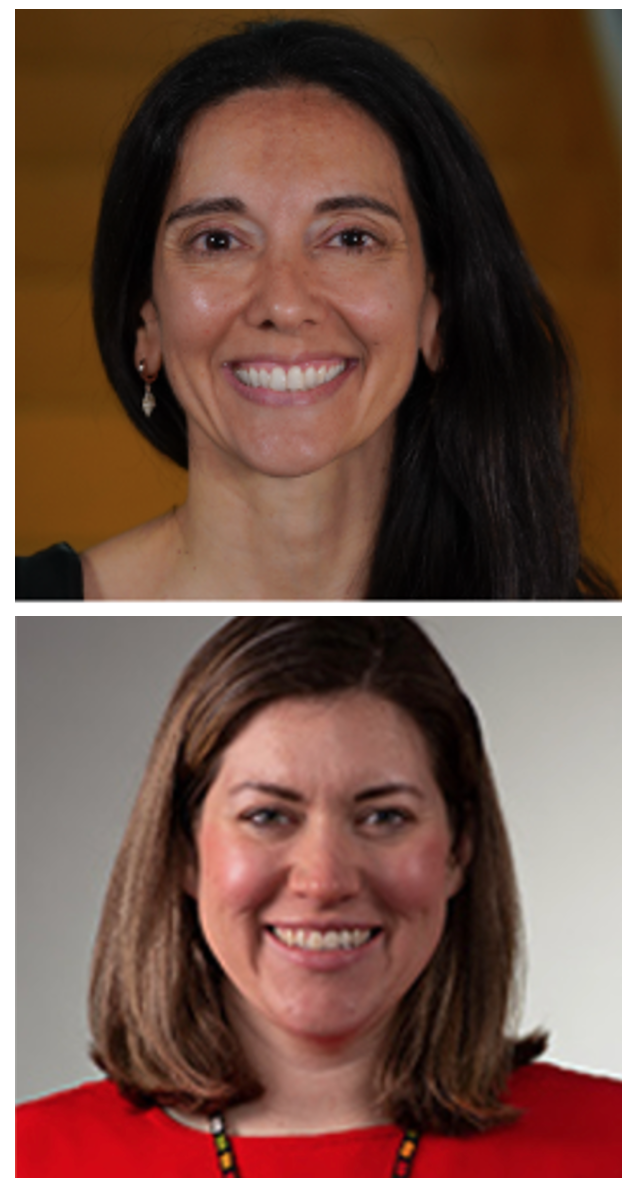 Leela Stake is Senior Partner and Global Managing Director of Responsible Business at FleishmanHIllard, where she advises organizations navigating geopolitical complexity, multi-stakeholder risk and high-stakes reputational challenges at the intersection of sport, impact, and business.
Judith Rowland is a senior vice president in the Public Affairs and Engagement group and also serves as global sustainability lead for the food, agriculture and beverage (FAB) sector. She helps clients establish strategies for advancing community reputation and social impact, set measurable goals and communicate their progress with the stakeholders that matter most.
