Corporate Affairs on the World Stage: Why Global Sport Is the Ultimate Test of Your License to Lead
The United States is entering a historic two-year window: hosting the FIFA World Cup 2026 with Canada and Mexico and the Olympic and Paralympic Games in Los Angeles in 2028. These are once-in-a-generation opportunities for organizations to shape culture, deepen stakeholder trust, and build reputational capital that extends far beyond the events themselves.
But therein lies the paradox: this unprecedented opportunity also represents unprecedented risk. The communications landscape surrounding these events has been fundamentally restructured. Fragmentation, trust erosion, geopolitical volatility, and AI acceleration are hitting sports with particular intensity. In this environment, credibility – the stakeholder latitude required to execute strategy under scrutiny, adapt when conditions change, and sustain legitimacy when the path forward is uncertain- can be an organization’s most valuable asset. And, like any valuable asset, few have built it, and those who have often squander it.
The Corporate Reputation Opportunity
Sport remains the last great gathering place: the rare arena where live, shared experience still commands attention and generates tangible emotional resonance. The brands, organizations, and leaders that convert this attention into genuine stakeholder trust will benefit from reputational assets their competitors cannot replicate and visibility that lasts well beyond those events.
But this opportunity is not automatic. Our global research of 5,550 engaged consumers, executives, and policy stakeholders across 15 markets reveals the central challenge: only 19% of global consumers have ‘a lot’ of confidence in large companies. Only 15% believe companies align their words with actions. And 48% say inconsistent leadership messaging greatly decreases their confidence. In sports, where crises arrive without warning and play out under the most scrutinized conditions of any sector, this is not theoretical. It is operational.
The organizations that will lead through these events have already begun building what we call License to Lead – deliberate, disciplined reputational credibility, backed by durable infrastructure. Our research is clear: 92% of engaged consumers say a strong, positive reputation gives a company more permission to undertake major transformation. 85% give respected companies the benefit of the doubt in a crisis. The brands that emerge from the FIFA World Cup 2026 and LA28 stronger than they entered will be the ones that invested in building this credibility now.
The Six Forces That Demand Readiness
To navigate what’s ahead, organizations must confront the macro forces reshaping corporate communications – forces that are accelerated in sports environments.
1. Media fragmentation means no single channel carries the narrative anymore. 90%+ of Gen Z and millennials consume sports content via social and digital platforms. Your message will be clipped, recontextualized, and algorithmically amplified before your communications team sees it. This demands always-on intelligence infrastructure and real-time narrative monitoring.
2. Trust has migrated from institutions to individuals. Consumers lack confidence in large companies. Athletes carry far more credibility, making them powerful communication partners and equally powerful liabilities. This requires strategic athlete partnership architecture – from identification to execution.
3. Global sport is inescapably geopolitical. FIFA World Cup 2026 spans three nations with distinct political pressures and bilateral tensions. LA28 will unfold ahead of a U.S. presidential election cycle. Organizations must navigate this complexity with the sophistication of corporate diplomats, not just communicators.
4. The say-do gap is widening – and audiences notice. Fanbases hold organizations to a standard of loyalty more personal than any other sector. When stated values diverge from actual behavior, that gap isn’t a communications failure. It’s a betrayal. Closing it requires corporate affairs rigor, not marketing messaging.
5. Every moment is AI-amplified and instantly escalated. The speed of escalation from incident to institutional threat has compressed dramatically. The difference between surfacing a vulnerability during strategy development and discovering it when the crisis is trending can be weeks of reputational damage.
6. Adjacency is a risk category. In global sport, organizations are implicated by everything around their brand: the athlete who wears their logo, the geopolitical moment their activation lands inside, the artist performing during their event. This demands systems-level thinking about reputation.
The Difference: An Integrated Operating System
Based on our experience counseling some of the world’s most iconic and recognizable brands through Olympic Games, FIFA World Cups, Super Bowls, and major international sporting events, organizations that emerge with their reputations intact – and often enhanced – treat reputation as strategic infrastructure. They integrate corporate affairs, brand impact, and crisis into one operating system with clear decision frameworks, defined escalation paths, and real-time action protocols. The difference between those who thrive through major sports moments and those who merely survive comes down to one thing: deliberate preparation. These are the hard questions to ask now.
On Readiness:
- Have we mapped the full stakeholder ecosystem surrounding our World Cup or LA28 investment – not just fans, but athletes, NGOs, regulators, geopolitical actors, and media partners?
- Do we have a risk intelligence function operating right now, tracking the issues that are already gaining momentum in the LA28 and FIFA World Cup narratives?
- Have we scenario-planned the specific risks most relevant to our brand – athlete activism, ESG scrutiny, geopolitical adjacency, media hijacking?
- Has our leadership team practiced its decision-making under live-event pressure, or only documented its playbooks?
On Permission:
- Have we invested in building stakeholder trust proactively – so that when we need to make a difficult decision or respond to an unexpected moment, we have credibility reserves to draw on?
- Is our corporate affairs function integrated with marketing and brand activation — or are they working from separate playbooks that will diverge under pressure?
- Do we have the intelligence infrastructure to detect narrative shifts early, when there is still time to adapt, rather than late, when management has become the only option?
- Are we prepared to operate as a corporate diplomat – navigating the sovereign complexity of a three-nation tournament and a politically exposed U.S.-hosted Games?
The Time to Build Permission Is Now
The organizations and brands that convert the world’s attention to sport into a License to Lead will not just protect their reputations. They will build permission to execute every strategy that follows. That infrastructure is built right now, before these events begin.
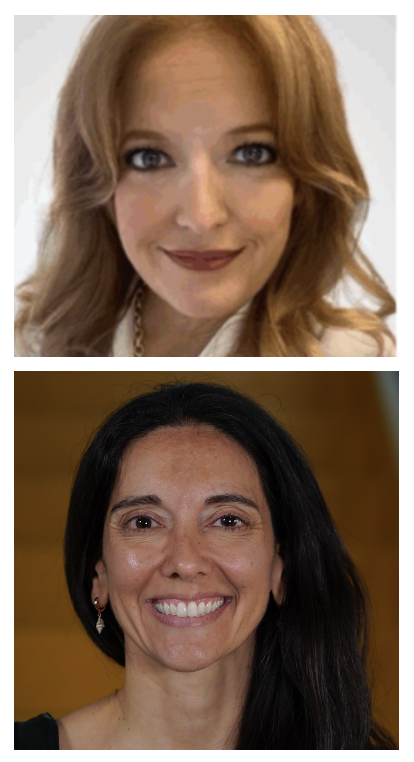 Rebecca Rausch is FleishmanHillard’s Americas Crisis Lead and a trusted expert in reputation management and crisis communications. She has led crisis and issues planning for global sporting events including the FIFA World Cup, Olympic Games, Super Bowl and major international tennis and golf tournaments.
Leela Stake is a Senior Partner in FleishmanHillard’s Corporate Affairs practice, where she advises organizations navigating geopolitical complexity, multi-stakeholder risk and high-stakes reputational challenges at the intersection of sport, impact, and business.