When Food Safety Crises Test Trust: A Guide for Communicators
Food safety crises rarely unfold in a straight line. Facts change. Investigators follow leads while suppliers review records, retailers pull product, regulators test samples, and consumers read posts before anyone has the full picture.
Consumers experience investigations in pieces: headlines, empty shelves, recall notices and social media warnings. When these pieces don’t line up, uncertainty spreads far beyond the implicated product. The question transforms from “Is this product safe?” to “Who can help me understand what is safe now and why should I believe them?”
This summer’s cyclosporiasis outbreak exemplifies how food safety becomes a trust test. Food is personal. That’s why people turn to social media to share concerns and seek reassurance. As investigations expand, consumers must make sense of precautionary removals and shifting guidance in real time without context.
Confusion doesn’t stay neutral. It quickly turns into fear and doubt. The 2025 IFIC Food & Health Survey found that only 55% of Americans were confident in the safety of the U.S. food supply. While consumers understand companies must adapt under uncertainty, they’re far less willing to accept confusion or silence when their health and trust are at stake. Nearly half of engaged consumers say conflicting messages from company leadership greatly decrease their confidence.
Trust Breaks When the Story Doesn’t Add Up
In food safety crises, companies often must move before the picture is complete, pulling ingredients, switching suppliers and coordinating with health officials. Speed matters. But speed alone doesn’t solve the harder problem: earning the right to be believed while facts are still moving.
FleishmanHillard’s License to Lead research reinforces the point: people are more likely to give companies the benefit of the doubt when they see clear communication, consistent messages and accountability when things go wrong. In a food safety crisis, that latitude is not theoretical. It determines whether people believe the next update, follow the guidance and continue to trust the brand.
When actions, statements and updates come from multiple places at different times, even accurate information can feel inconsistent. A precautionary step can look like proof of a problem. A corrected test result can sound like a mistake. This is where trust erodes.
Start With What People Need
Too often, crisis response begins with “What can we say?” The better starting point is: “What do people need from us right now?”
Every message should address: What happened? Am I affected? What should I do now? Where do I go for updates?
Core messages must stay consistent across all formats—media statements, employee talking points, customer care scripts and operator guidance. Operations and communications must work in lock step. When a company changes suppliers, pulls an ingredient or increases testing, those actions need plain language explanation so people understand decisions are based on evidence and their well-being.
Know Your Voice Before Pressure Hits
During a crisis, a company’s message should reflect who it is and the relationship it has with customers. A national restaurant brand, supplier, retailer and trade association should not sound the same, but each needs to sound credible and recognizably itself.
People can tell when a statement prioritizes protecting the company over meeting their needs. A crisis is not the moment to suddenly become more corporate, more generic or more generic than people expect. The message should meet the moment, but feel like it came from the same organization customers knew yesterday and will see tomorrow.
Three Takeaways
Companies earn trust and a License to Lead when actions, evidence and communications align.
- Create order while facts are moving. Help people understand what is known, what actions have been taken and where to find reliable updates.
- Build responses around the choices people must make. To help consumers, employees, operators, partners and reporters make decisions in real time, messages must be consistent and practical enough for each audience to understand what it means for them.
- Earn trust before you need it. The strongest responses come from companies that know their voice and make their actions visible in simple terms.
When someone stands in a grocery aisle or decides what to serve their family, they ask one question: Can I trust this? Companies that earn that trust make it easier for people to understand what is known and what to do next—even before every answer is available.

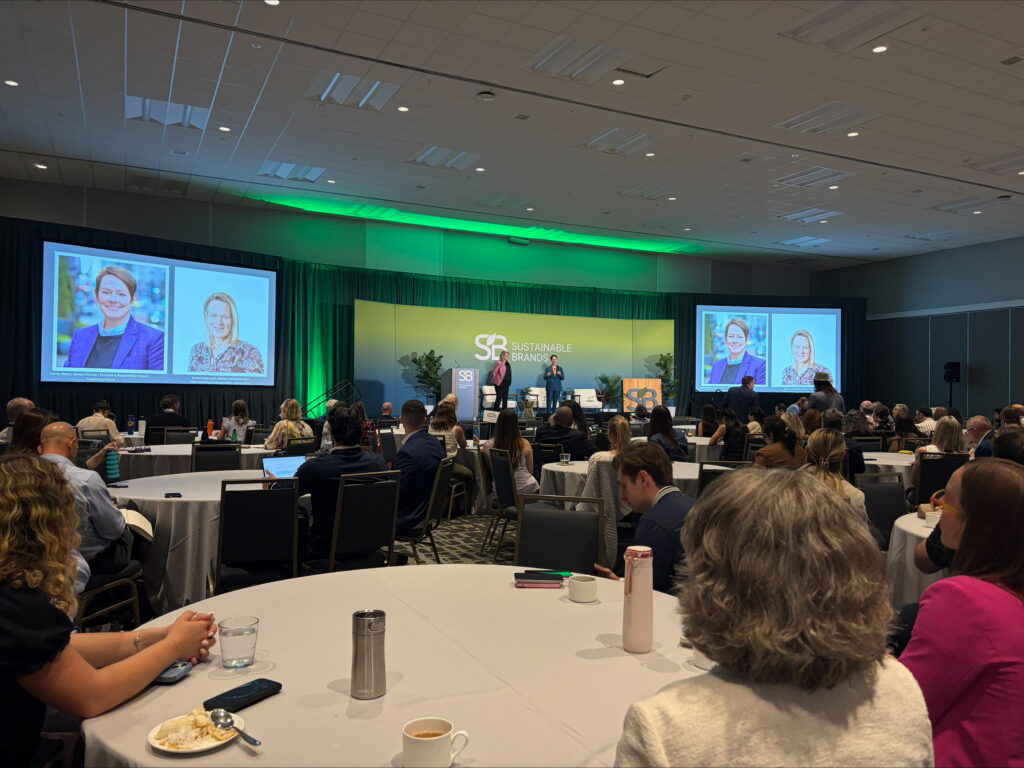

 Judith Rowland is a senior vice president in the Public Affairs and Engagement group and also serves as global sustainability lead for the food, agriculture and beverage (FAB) sector. She helps clients establish strategies for advancing community reputation and social impact, set measurable goals and communicate their progress with the stakeholders that matter most.