Most people will agree the year 2020 is in the running to be claimed the worst year in modern history. The year that felt like a test we didn’t study for, the year that had people stocking up on copious amounts of toilet paper, the year that changed our ways of working and for me the year that changed how I started a new PR job. […]
I have rewritten this post over and over again because I didn’t even know where to start. I figured the best place is the beginning.
My first encounters with racism were so early on that I can’t remember specific instances or moments, but I do recall what I felt. I’ve been internalizing and compartmentalizing these feelings my whole life and have only recently begun to unpack them this past year for a number of reasons, including the recent wave of violence and hate toward the Asian American and Pacific Islander (AAPI) community.
Growing up in a predominantly white suburb, I was one of a handful of people of color (POC) at school up until high school. As you might imagine, I was introduced to the construct of race at a very young age. From kids jokingly pulling their eyes back at me to hearing “ching chong” being shouted at me, I was no stranger to the fact that I was unjustly “othered,” just because of my ethnicity and appearance. Looking back, more often than not, the prejudice that I experienced was not so overt. Comments such as, “Where are you from?,”“How do you say XYZ in Chinese?,”“You and (other Asian American kid) look alike” or “You’re Asian so you must be good at math” were commonplace and I didn’t really know the impact of these microaggressions until I was much older.
As a result, I suppressed my cultural identity in an attempt to fit in. For example, I’d go by my middle name (John), disliked Chinese food and even cracked the same racist jokes that were thrown at me. I grew up resenting the fact that I was Chinese and sought to become as “white-washed” as possible because, in my mind, my life would seemingly be easier if I were white. It got to the point where I considered legally changing my first name to John, just so I would be perceived as more American, thus be more accepted.
It wasn’t until college that I found peace with my cultural identity. Having a diverse group of friends with strong connections to their cultures, joining cultural clubs, and taking courses on racism and oppression opened my eyes to an identity that I could call my own. Not just Asian, not just American, but Asian American. I discovered that I don’t have to be white to be accepted. I just need to be me.
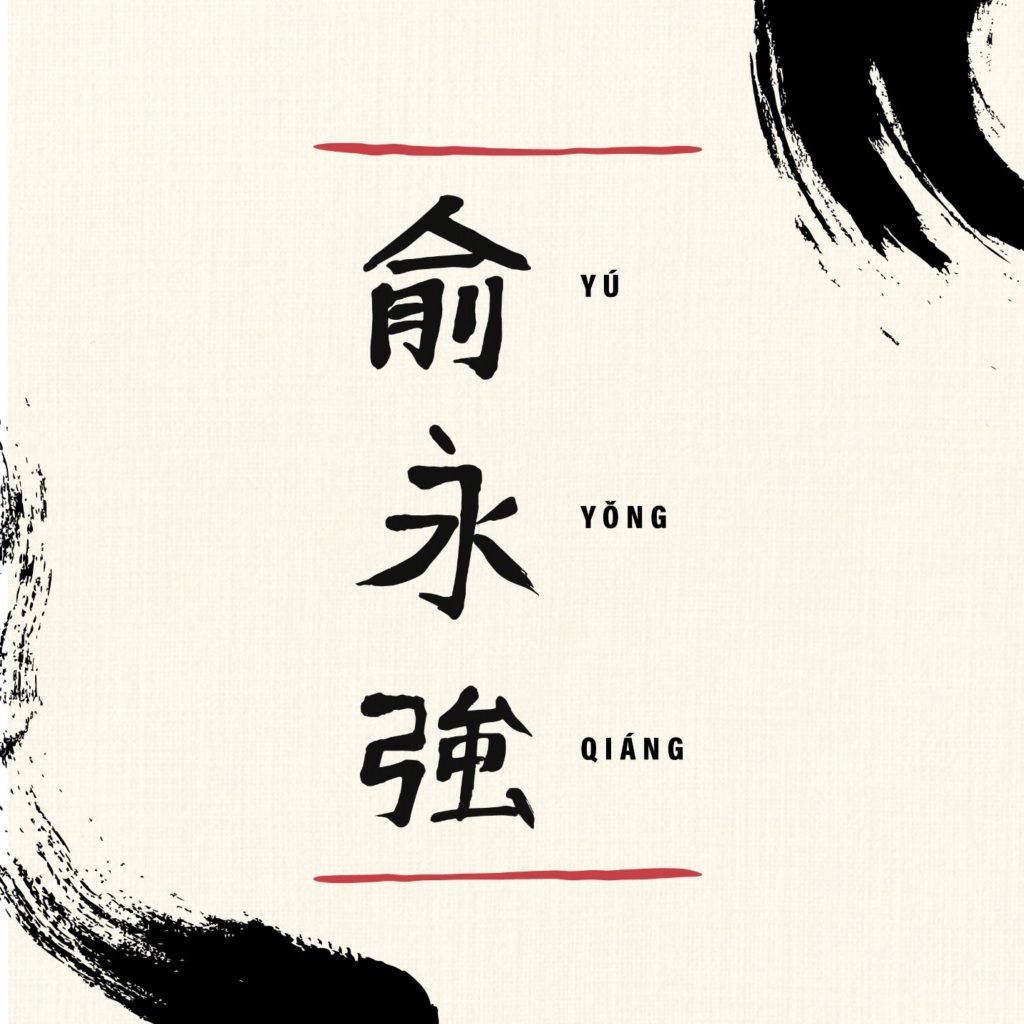
—俞永強
This is my last and first name written in Chinese. In Chinese culture, it is customary for your last or family name to come first, followed by your given name.
Design Process
I attended Chinese school on the weekends growing up, and one of the first things we learned was how to write our names. We had to practice writing our names over and over again until we eventually got it down. I wanted to pay homage to those early Saturday mornings by relearning how to write my name and took it a step further by using a traditional calligraphy pen, Xuan rice paper and Sumi liquid ink.
Once I had a few useable characters, I scanned them and brought them into Illustrator where traced my name and created a vectorized image. The embellishing brush strokes were created using a custom brush in Illustrator. I included the pinyin pronunciation of my name next to each character as well.
See what else is happening
You might also like
ESG
Navigating Conflicting Demands to Advance Climate Action
January 20, 2025
Opinions
Supporting St. Louis Institutions Dedicated to Empowering Youth Through FH4Inclusion
January 15, 2025
Awards
FleishmanHillard Earns Perfect Score on 2025 Human Rights Campaign Foundation’s Corporate Equality Index
January 7, 2025
Opinions
Revitalizing the San Francisco Community with the Downtown Volunteer Coalition
December 23, 2024
Expertise
Responsible Business: Navigating Today’s Challenges and Opportunities
October 22, 2024
Inclusion
Recognizing the power of the LGBTQ Community in Advertising & Media with GLAAD
October 11, 2024
Opinions
FleishmanHillard and FH4Inclusion Teams Shine at the Cannes Lions International Festival of Creativity
August 28, 2024
Opinions
Bridging the Generational Divide with Generative AI
August 27, 2024
Expertise
How to ensure access and opportunity for Black and diverse students and professionals interested in working in sports
Fear. Anger. Sadness. Grief. Denial. These were the emotions that have been flooding my body for the past few months as I continued to watch and hear stories about the rise of anti-Asian hate crimes across the country. It felt like each day there was a new case being investigated with no hope or end in sight. The more I kept thinking about the attacks, the more I was reminded of my childhood and the trauma that took so long to suppress. When I looked in the mirror, I would see my younger self — a scared Asian boy who believed that if he did everything he could to fit in, he would not have to worry about feeling like an outcast.
Little did I know that no matter how hard I tried, there was no turning away from my identity. The issue wasn’t about me believing that I needed to act a certain way. It’s that as a society we have allowed systemic racism to influence our behaviors. Instead of working together to fight racial injustice, racism is perpetuated by the acts of violence toward marginalized communities.
I still remember reading the story of Angelo Quinto’s death. He was a 30-year-old Filipino Navy veteran in Antioch, Calif. who died from complications after a police officer knelt on his neck. The incident occurred during a police intervention while Angelo was suffering from a mental health crisis. As I watched the horrifying video, I could feel these waves of emotions rushing through my mind as I kept thinking to myself, “that could’ve been me.”
According to Angelo’s mother Cassandra, her son pleaded to the officers saying, “Please don’t kill me. Please don’t kill me.” When you hear those words uttered by another human being, you would think your immediate action would be to stop what you are doing. For the days and weeks that followed, I kept thinking about Angelo’s death questioning why that same technique that killed George Floyd almost a year ago was used on another helpless victim.
As the countless acts of anti-Asian violence continued, I couldn’t help but to feel defeated. On top of that, the news of the mass shootings that occurred at three Atlanta spas on March 16 only compounded that feeling of defeat. According to a national report by Stop AAPI Hate, there were nearly 3,800 anti-Asian hate incidents reported in the past year. What’s worse is that the hate crimes reported represent only a fraction of the number of incidents that actually occurred.
While processing my emotions, I realized that feeling helpless wasn’t the solution to the problem. Instead, it was a reminder that we should not have to keep our heads down and hide in the shadows. If we expect progress to be made, we must fight not only for ourselves, but for those who are not seen or heard.
During Asian American Pacific Islander (AAPI) Heritage Month, I am reminded of the many contributions and influence that the Asian community has had on the history, culture and achievements of our country. As a proud gay Filipino American, I am even more empowered to continue to embrace my identity and live a life where I can be my authentic self.
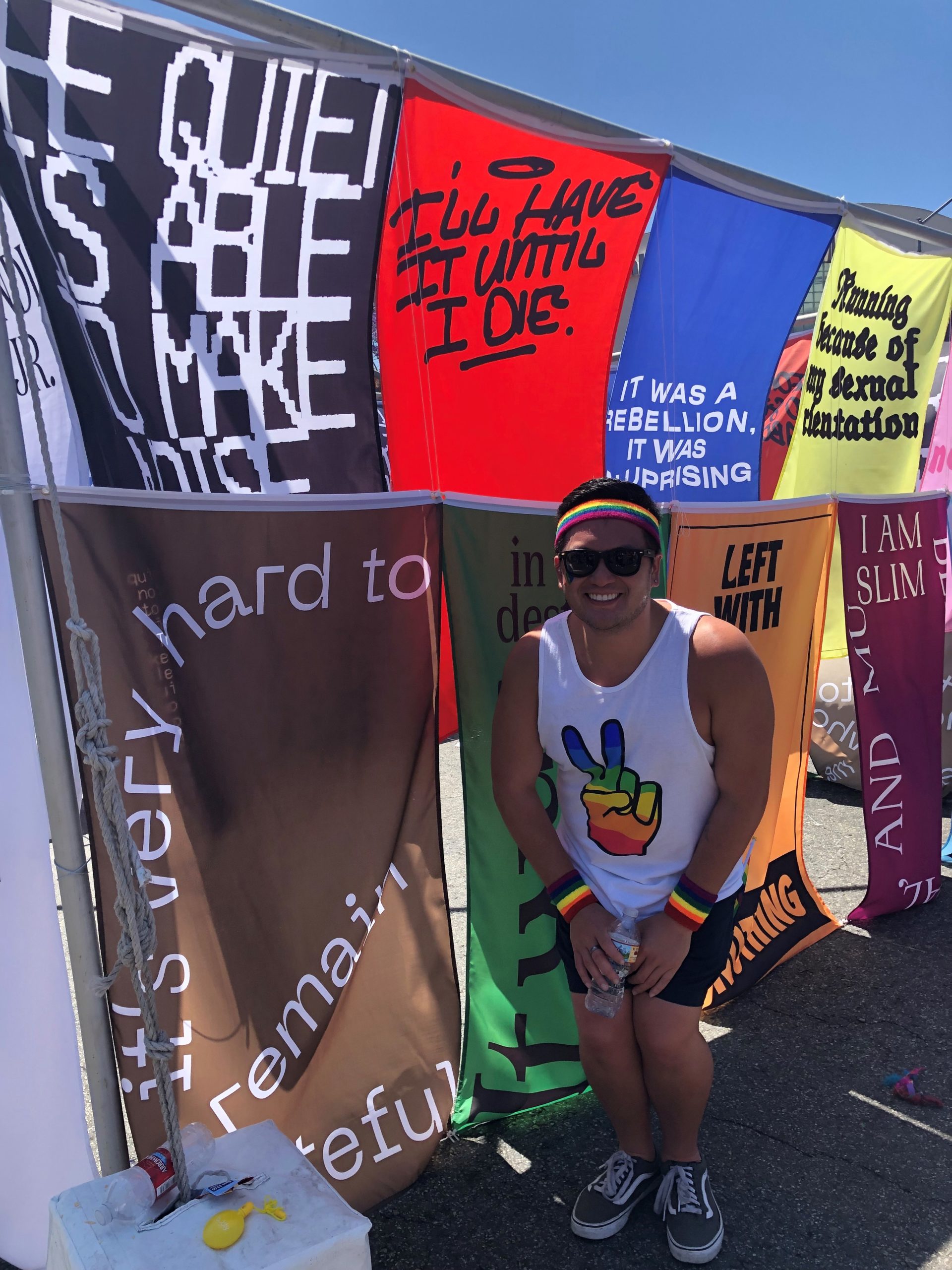
Celebrating 2019 Pride in West Hollywood, Calif.
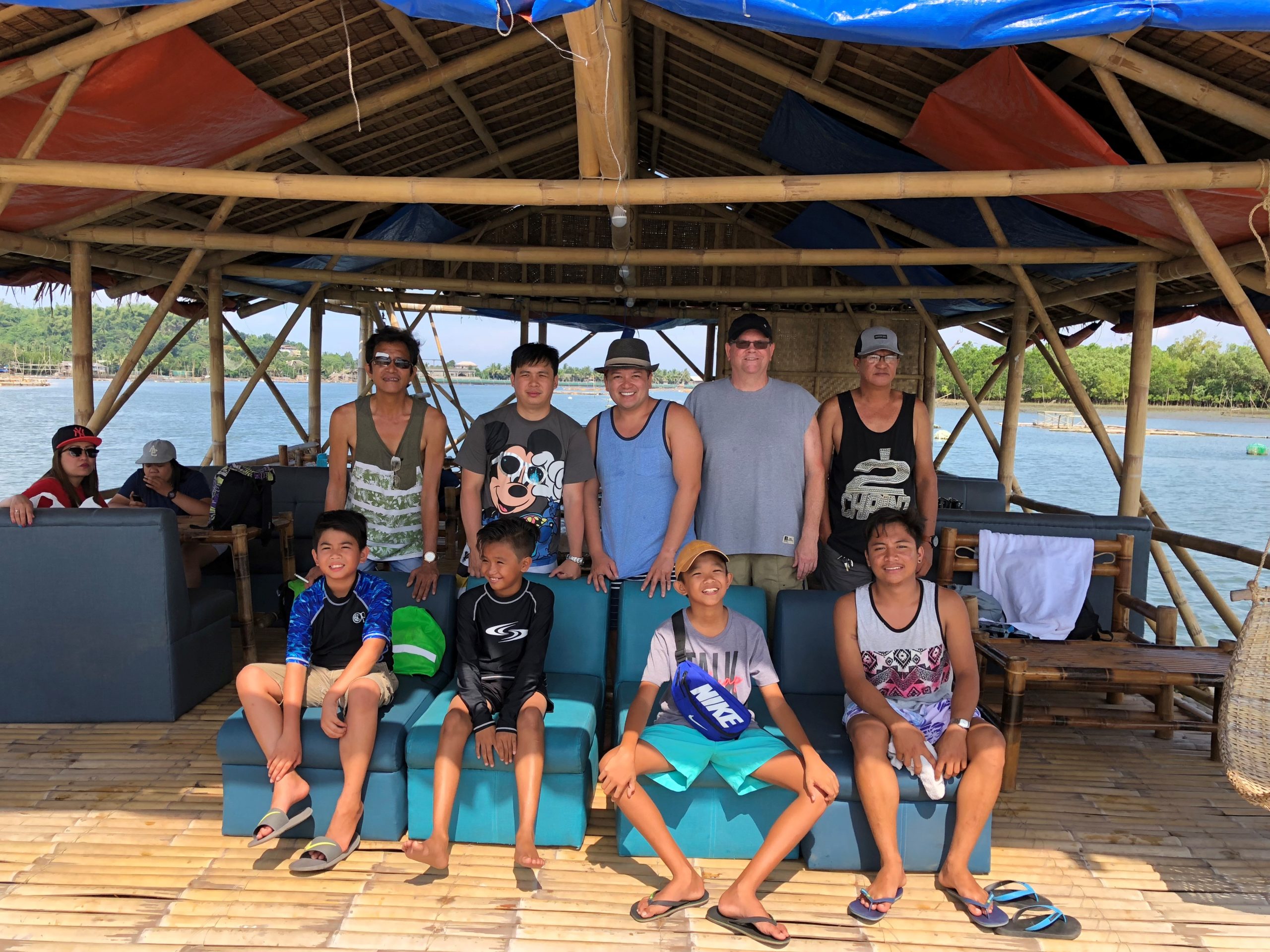
Excursion on a native wooden raft during a family vacation to the Philippines.
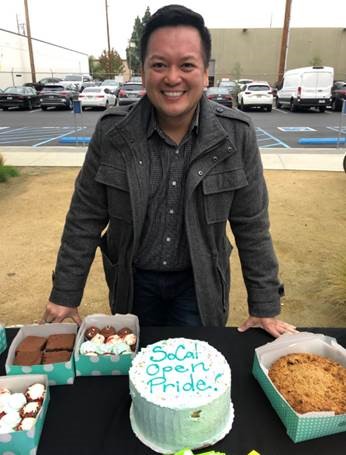
Official kickoff of the OPEN Pride SoCal chapter in Los Angeles, Calif.
See what else is happening
You might also like
ESG
Navigating Conflicting Demands to Advance Climate Action
January 20, 2025
Opinions
Supporting St. Louis Institutions Dedicated to Empowering Youth Through FH4Inclusion
January 15, 2025
Awards
FleishmanHillard Earns Perfect Score on 2025 Human Rights Campaign Foundation’s Corporate Equality Index
January 7, 2025
Opinions
Revitalizing the San Francisco Community with the Downtown Volunteer Coalition
December 23, 2024
Expertise
Responsible Business: Navigating Today’s Challenges and Opportunities
October 22, 2024
Inclusion
Recognizing the power of the LGBTQ Community in Advertising & Media with GLAAD
October 11, 2024
Opinions
FleishmanHillard and FH4Inclusion Teams Shine at the Cannes Lions International Festival of Creativity
August 28, 2024
Opinions
Bridging the Generational Divide with Generative AI
August 27, 2024
Expertise
How to ensure access and opportunity for Black and diverse students and professionals interested in working in sports
The Prime Minister begins the new parliamentary session on the back of impressive gains in local elections across the UK and prized victories in Hartlepool, Teesside and the West Midlands and used the Queen’s Speech to set the legislative stage for a post-Brexit Britain as we start to emerge from the pandemic. […]
A Mother Shares Valuable Lessons of Checking Biases and Stereotypes
May 3, 2021
Share
“Are you going to tell her she is adopted?” This was a question I was asked almost two decades ago when I was shopping with my daughter, now age 20, whom I adopted from China. I smiled and replied, “I already tell her she is adopted, and she would know anyway because she looks different than me.” That satisfied this woman’s nosiness, but it was one of many, many invasive questions I’ve been asked over the years as a white mom who has two daughters adopted from China.
I know most people approach my family based on pure curiosity, but some questions and comments have been insensitive (“how much did they cost?”), and others have been downright mean (“I can’t believe you brought more immigrants here when there are so many Black kids in this country who need homes”). And this past year we’ve heard questions and comments we never thought we would, such as “Are they from Wuhan?”“Why do so many diseases come from China?” and “Is that why so many Orientals wear masks in public?”
Talking with a friend of mine who also has two daughters from China, we dissected how questions about our families have evolved over the years, and especially these past 12+ months. Luckily, our daughters are very grounded and confident in their lives as adopted Chinese Americans raised in white families, but we believe they are feeling more “Asian” than they ever have before. That’s because these types of questions and comments about Asians, Chinese people in particular, reinforce what has been consciously or subconsciously on some people’s minds as a result of the pandemic — implicit bias of blaming people who are different than them for causing negative impact and harm on their lives.
As my daughters grew up, I realized their unique experiences, challenges, and opportunities. They have been “accepted” and are perceived as educated, high achievers who better “fit in” with white people. But this is based on a stereotype and reminds my daughters that they are in fact different than others. And now this pandemic has brought unprecedented challenges, and people want to place blame on someone.
We all know that our diversity algorithms are built at a young age, and they are very hard to change as we get older. That is why the best way to address bias is to know your bias — and then do something about it. Project Implicit from Harvard University is a great place to learn about and test your partiality to Asians and people from other backgrounds. I encourage anyone who is angry about the pandemic and inclined to place blame on the Chinese to understand their implicit bias — and to stop even thinking my daughters are to blame.
Stephanie Tortorici is a senior vice president & partner in FleishmanHillard’s Chicago office. She leads Chicago’s healthcare group and is the global client leader for one of the agency’s top 10 clients. Stephanie is the incredibly proud mom of two daughters, one a junior in college and the other a senior in high school.
See what else is happening
You might also like
ESG
Navigating Conflicting Demands to Advance Climate Action
January 20, 2025
Opinions
Supporting St. Louis Institutions Dedicated to Empowering Youth Through FH4Inclusion
January 15, 2025
Awards
FleishmanHillard Earns Perfect Score on 2025 Human Rights Campaign Foundation’s Corporate Equality Index
January 7, 2025
Opinions
Revitalizing the San Francisco Community with the Downtown Volunteer Coalition
December 23, 2024
Expertise
Responsible Business: Navigating Today’s Challenges and Opportunities
October 22, 2024
Inclusion
Recognizing the power of the LGBTQ Community in Advertising & Media with GLAAD
October 11, 2024
Opinions
FleishmanHillard and FH4Inclusion Teams Shine at the Cannes Lions International Festival of Creativity
August 28, 2024
Opinions
Bridging the Generational Divide with Generative AI
August 27, 2024
Expertise
How to ensure access and opportunity for Black and diverse students and professionals interested in working in sports
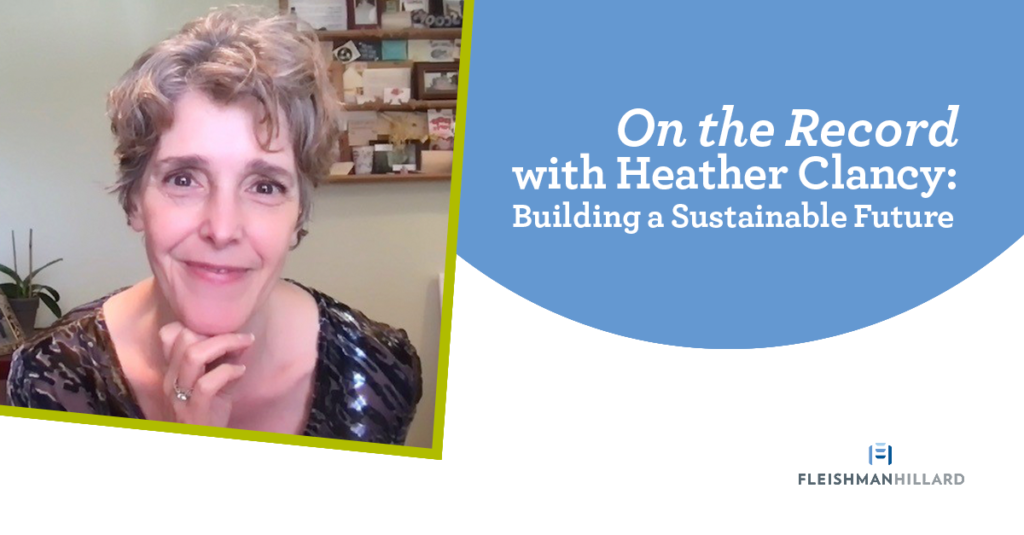
On the Record with Heather Clancy: Building a Sustainable Future
April 28, 2021
Share
‘On the Record’ is a series where we sit down with our colleagues and friends who are often at the receiving end of our pitch emails — journalists. We will be tackling hot topics, learning and growing from their perspective and thoughtful advice.
In this post, Kamilla Rahman explores sustainability at a corporate level, outlines what a meaningful sustainable strategy incorporates and shares what companies are doing to make the most impact with GreenBiz vice president and editorial director, Heather Clancy.
Kamilla Rahman (KR): How did you get your start in this kind of journalism and why do you consider yourself passionate about sustainability?
Heather Clancy (HC): I started my career as a business reporter covering information technology and software, and at the time I pivoted in 2012, energy efficiency in data centers and electronic waste were hot topics. It was an abrupt change: I got laid off from the trade publication I was working for and an old friend of mine called me and asked, “what do you want to write about?” I said, “green technology” and that’s how I got into this. Initially, I was freelancing at a variety of places including CBS Interactive and GreenBiz, and over time I got sucked into the GreenBiz world.
I’m passionate about this because we need companies to act on climate change, to focus on doing business in a better way. I feel hopeful that there is progress being made but the business world needs to move more quickly.
KR: What do you love most about covering sustainability?
HC: I’m hopeful about our sustainable path forward, and it’s great to see how people and organizations acted in the past four years despite federal leadership. A lot of the innovation in this space is driven by the public sector, and I love how there’s always something new happening at the state and local level. There’s always someone pushing the envelope to go better and farther, and it’s great to be at the forefront.
KR: Are there specific areas of sustainability that you find most interesting right now? What do you dislike most when covering sustainability?
HC: Right now, I’m very interested in carbon removal technologies and how organizations are making a profitable business model for it. Oftentimes, it’s talked about as an expense, since the initial investment costs so much money, but it can also help drive new revenues. So, it’s great to learn about the new carbon technology companies coming into play. I’m also really interested in carbon sequestration in concrete and the building sector. It’s great to learn how a company can distinguish itself in the space and how organizations are interested in investing in it. Additionally, the tree planting movement is also a unique space. It’s interesting to see how companies are supporting reforestation and understocked forests. Overall, it’s great for the climate cause but also for livelihoods in local economies.
As for dislikes of the industry, there’s unfortunately a lot of greenwashing. Many companies are doing good and say they are doing good, but there’s often a random description being used that is usually questionable. In this area, there’s no common thread or definition to a lot of these initiatives. For example, there are so many ways to define “carbon positive” and “net zero,” so many organizations can claim these based on their own terms and it’s frustrating. Also, many companies aren’t willing to be transparent with updates on progress. It would be great if organizations address what’s working, what’s not working, what could be better and learn from these mistakes to make progress.
KR: In your opinion, why should sustainability and running an environmentally conscious business be top-of-mind for organizations of all sizes?
HC: This really applies to everything you do for the future. Sustainability and environmental awareness make organizations more attractive from a hiring perspective and a consumer perspective. There’s data showing how people are willing to work for or purchase from an organization that is conscientious, so there’s an overall sustainability advantage. However, on the other side there is still greenwashing, so there’s not always trust and then there’s the denier community who distrusts science.
KR: How would you suggest organizations go about their sustainability strategy? In what ways can they have the most impact?
HC: Making the most impact starts with having your sustainability strategy tied to your business strategy. It shouldn’t be a one-off initiative; it has to align with overall organizational goals. In today’s world, there’s a lot of division when it comes to policy and I think that’s why so many companies are afraid to speak out, in addition to what goes on internally with their legal and compliance teams. But as we’ve learned, especially in recent months, saying nothing also speaks volumes.
KR: Are there certain companies (without naming names) that have done it right and how?
HC: Companies that price carbon into their operations and those that are factoring carbon emissions in their revenue streams are the ones that are doing the best in this space, but companies have to start thinking about their supply chain differently and use their power to help smaller companies make investments to also get them to this same place.
I’d like to see companies, especially larger corporations, use their power to help smaller organizations prioritize sustainability since they may not have the power or resources to do so. I also tend to appreciate companies that are inspiring operational changes towards sustainability by making it part of their financial model. The impact and commitment are truly shown here.
KR: What do you think PR people should understand when pitching you sustainable-related product, launches and updates?
HC: My biggest word of advice when pitching these kinds of stories is to understand the context of what you’re pitching and spend more time understanding what these jargony terms like “carbon neutral,” “carbon positive,” etc. actually mean before framing a story. PR is often viewed as transactional but understanding the context of the industry and the bigger picture along with implications will go miles with any sort of storytelling.
Also, I encourage follow-up stories in this space. There are so many pitches and stories on single initiatives and announcements, but I’d also like to know what happened, what progress was made and what was learned. I think in a way this can also encourage more companies to be more open to sustainable strategies — even if something didn’t work at least it was tried, and this could encourage trial and error.
See what else is happening
You might also like
ESG
Navigating Conflicting Demands to Advance Climate Action
January 20, 2025
Opinions
Supporting St. Louis Institutions Dedicated to Empowering Youth Through FH4Inclusion
January 15, 2025
Opinions
Revitalizing the San Francisco Community with the Downtown Volunteer Coalition
December 23, 2024
Opinions
FleishmanHillard and FH4Inclusion Teams Shine at the Cannes Lions International Festival of Creativity
August 28, 2024
Opinions
Bridging the Generational Divide with Generative AI
August 27, 2024
Inclusion
Success on Repeat: Alumni of the Alfred Fleishman Diversity Fellowship Discuss Promotions and How to Get Them
May 29, 2024
News
EU climate policy: The new borderlines?
May 27, 2024
News
Achieving the Evolving Duality of Loyalty and Loyalty Programs
April 1, 2024
Expertise
TickTockTech: Mobile World Congress 2024 — What’s the Verdict?
On Being Present: Celebrating Blackness in Italian History with FH4Inclusion
April 14, 2021
By Gracey Wallace
Share
Every year, Black History Month in the U.S. is an opportunity to shine a light on some of the incredible — and often unknown — contributions of Black Americans. Celebrating Black history doesn’t stop at the U.S. border, though.
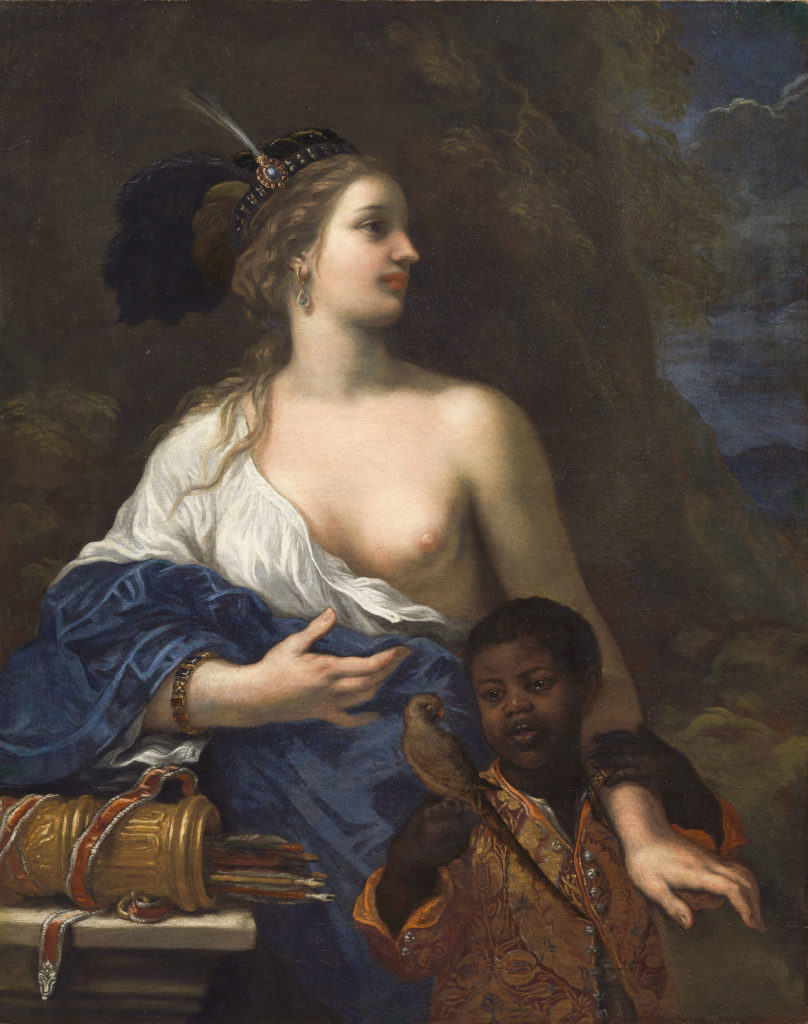
Image of “Allegory of America” by Baldassare Franceschini, property of The Uffizi
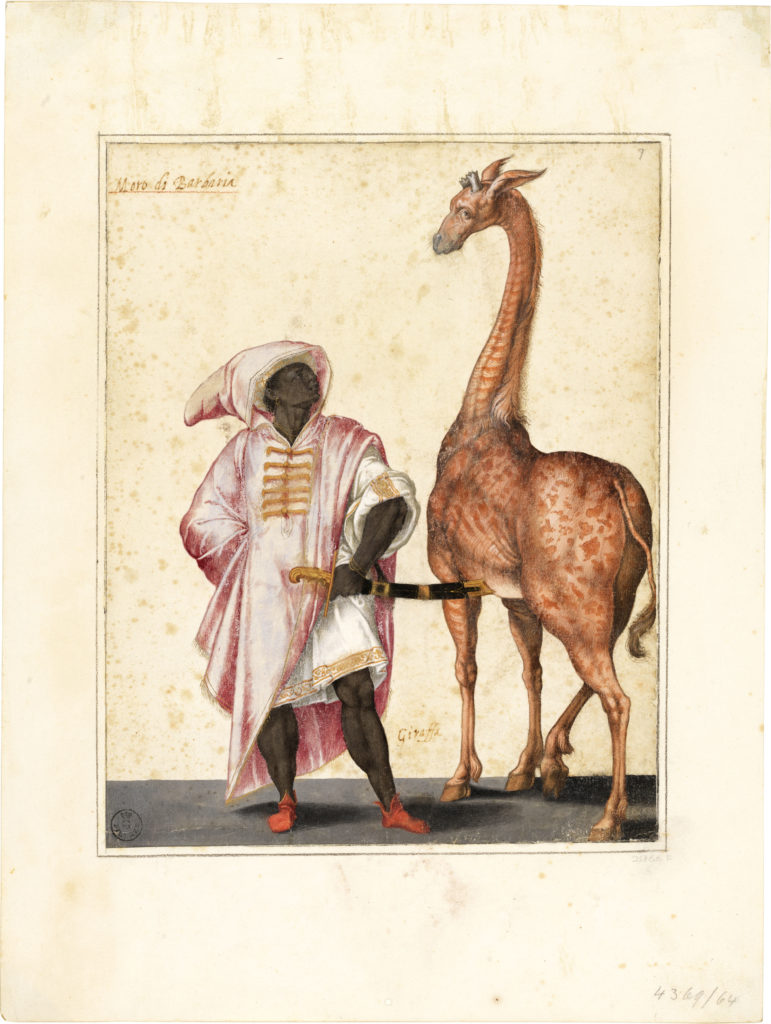
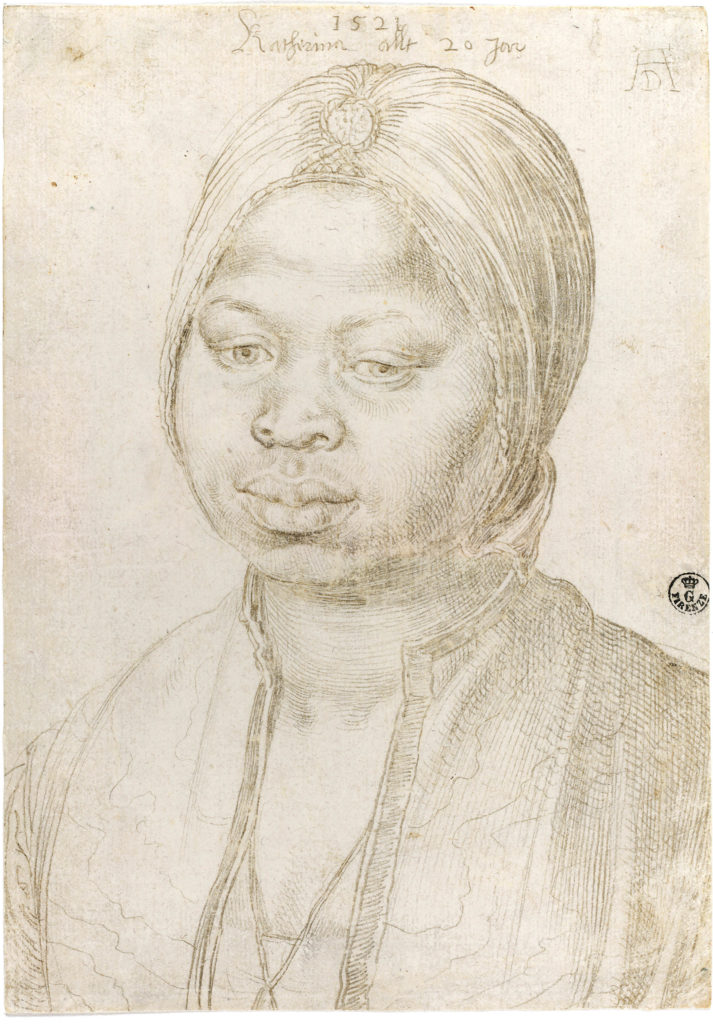
Recently, FH4Inclusion, True MOSAIC and Omnicom PR Group’s Milan-based office joined forces to support Black History Month Florence (BHMF), an Italian-based program co-founded by new media artist, organizer and educator Justin Randolph Thompson. BHMF is an initiative designed to highlight the cultures of African diasporic communities in Florence and throughout Italy, with key events taking place during February. This year, one of its main vehicles is a partnership with Florence’s Uffizi Galleries that launched On Being Present – Vol II, a virtual exhibit highlighting — and contextualizing — the presence of Black African figures in Renaissance paintings. The Uffizi’s collection includes the work of famous artists like Botticelli and DaVinci, to name a few. Last year, On Being Present Vol I was the Uffizi Galleries’ most-visited online exhibit.
Image of “Moor of Barbary” By Jacopo Ligozzi, property of The Uffizi, Department of Print and Drawings
Image of “Katherina” by Albrecht Durer, property of The Uffizi, Department of Prints and Drawings
As part of this pro bono work, we identified and engaged with outlets across Italy, as well as journalists at U.S. art trade publications to spread the word about BHMF’s 2021 roster of events and their second Uffizi partnership. To amplify BHMF’s reach even further, we helped raise its awareness on social media and created a space for audiences to engage. As part of our strategy, we highlighted Thompson’s unique cultural experience — having lived in the U.S. (where he’s originally from) and in Italy. Given this, and the global resonance of the campaign, we worked toward the goal of driving visibility of BHMF not only within Europe, but all over the world.
As a result, we, in collaboration with BHMF partners, secured almost 90 articles in Italy across a range of outlets, as well as an opportunity to work with U.S.-based Blanc Magazine on a panel event focused on authentic storytelling and the “Black Presence.” Our BHMF clients were pleased with the results, stating:
“We are humbled by all of the positive responses that we have received, and it has been great to have an extra push in a complex year. The Italian press and the broadened reach of our program fostered by the support of your team have been meaningful acknowledgments of our efforts and serve as important contributions and fuel for our ongoing and forthcoming work. It has been a powerful start to the year and the wake is just beginning to show itself.” – Justin Randolph Thompson, co-founder and director of BHMF
“We cannot thank you enough for your guidance and for being by our side in this last edition, we definitely saw a difference, in having a PR agency accompanying us and helping us managing the press and the communication.” — Janine Gaëlle Dieudji, co-director and vice president of the Association Cultural at BHMF
With projects like these, I am reminded of just how impactful our work as FH4Inclusion counselors can be. The Italian peninsula is overflowing with history — think the Roman Empire, the Vatican and Michelangelo — but the stories and accomplishments of Black Italians have been left out of that narrative. As a student, I paid particular attention to how our understanding of “history” is intentionally shaped by the politics of the day. Just because something is not included in history textbooks does not mean it’s irrelevant. The events of 2020 reinvigorated conversations among Americans to unpack what it has meant to be both black and American at different points in history. Thanks to BHMF, we can begin to understand what those conversations look like across the world.
You can read more about Black History Month Florence here and follow them on Instagram and Facebook.
See what else is happening
You might also like
ESG
Navigating Conflicting Demands to Advance Climate Action
January 20, 2025
Opinions
Supporting St. Louis Institutions Dedicated to Empowering Youth Through FH4Inclusion
January 15, 2025
Awards
FleishmanHillard Earns Perfect Score on 2025 Human Rights Campaign Foundation’s Corporate Equality Index
January 7, 2025
Opinions
Revitalizing the San Francisco Community with the Downtown Volunteer Coalition
December 23, 2024
Expertise
Responsible Business: Navigating Today’s Challenges and Opportunities
October 22, 2024
Inclusion
Recognizing the power of the LGBTQ Community in Advertising & Media with GLAAD
October 11, 2024
Opinions
FleishmanHillard and FH4Inclusion Teams Shine at the Cannes Lions International Festival of Creativity
August 28, 2024
Opinions
Bridging the Generational Divide with Generative AI
August 27, 2024
Expertise
How to ensure access and opportunity for Black and diverse students and professionals interested in working in sports
Regulatory Scrutiny Board Raises Better Regulation Concerns: Impact Assessments Decreased in Quality and Became More Political in 2020
April 13, 2021
Share
The quality of the European Commission’s impact assessments decreased in 2020. The initial rejection rate was 46%. That’s the conclusion by the EU’s Regulatory Scrutiny Board (RSB) in its annual report. […]
Looking Ahead to COP26 with Tom Clarke, ITV Science Editor: Five Key Takeaways
March 30, 2021
Share
FleishmanHillard UK’s COP26 Unit hosted Tom Clarke, ITV’s Science Editor and one of the UK’s leading climate change journalists. Speaking to our Head of News, Pete Meikle, the discussion looked ahead to this year’s historic COP26 conference, its significance and impact on climate policy, business reputation and the media agenda.
Here’s our view on some of the key takeaways from the session and the lessons for our clients both in the UK and across the world […]
Swipe to Meet… Amity Harrold, Account Director — Brand Marketing
March 26, 2021
Share
As a team, all the brilliantly talented, unique individuals that work at FleishmanHillard deliver amazing work for our clients. Each person’s individual strengths, passions and ambitions are what makes FleishmanHillard UK an incredible agency, a diverse talent pool of creative minds solving complex communications challenges and a certified ‘Best Place to Work’. […]