Digital Media Regulation: Is What’s Going on Down Under Set to Come Over?
March 15, 2021
By Joel Herga
Share
Joel Herga, Account Director Early 2021, in the middle of the coronavirus pandemic, all eyes are on Australia. It is not however because of the countries much-admired hotel quarantine system or their hard and fast regional lockdowns but because of a new law that has more to do with regulating cyberspace than track and trace. […]
As a team, all the brilliantly talented, unique individuals that work at FleishmanHillard deliver amazing work for our clients. Each person’s individual strengths, passions and ambitions are what makes FleishmanHillard UK an incredible agency, a diverse talent pool of creative minds solving complex communications challenges and a certified ‘Best Place to Work’. […]
Leveraging Tech-Enabled Volunteerism to Combat COVID-19 Food Insecurity Through FH4Inclusion
March 10, 2021
Share
In mid-March 2020, the first shelter-in-place orders were issued in San Francisco. FleishmanHillard’s San Francisco team, like many others, was spread out to our homes, parents’ homes and beyond. Everyone felt helpless, but many also wanted to find ways to help.
At the same time, Jeff Miller, a seasoned Silicon Valley entrepreneur, saw a viral video of a Bend, Oregon woman who helped an elderly couple get groceries when they were too afraid to risk their health by going inside the store. Later that night, he called his mom, who lives in Arizona, outside of delivery zones for food services that many of us in major cities have come to expect access to. Because his mother is immunocompromised, her only option for getting essentials like groceries was to go to the store herself and risk her health in doing so.
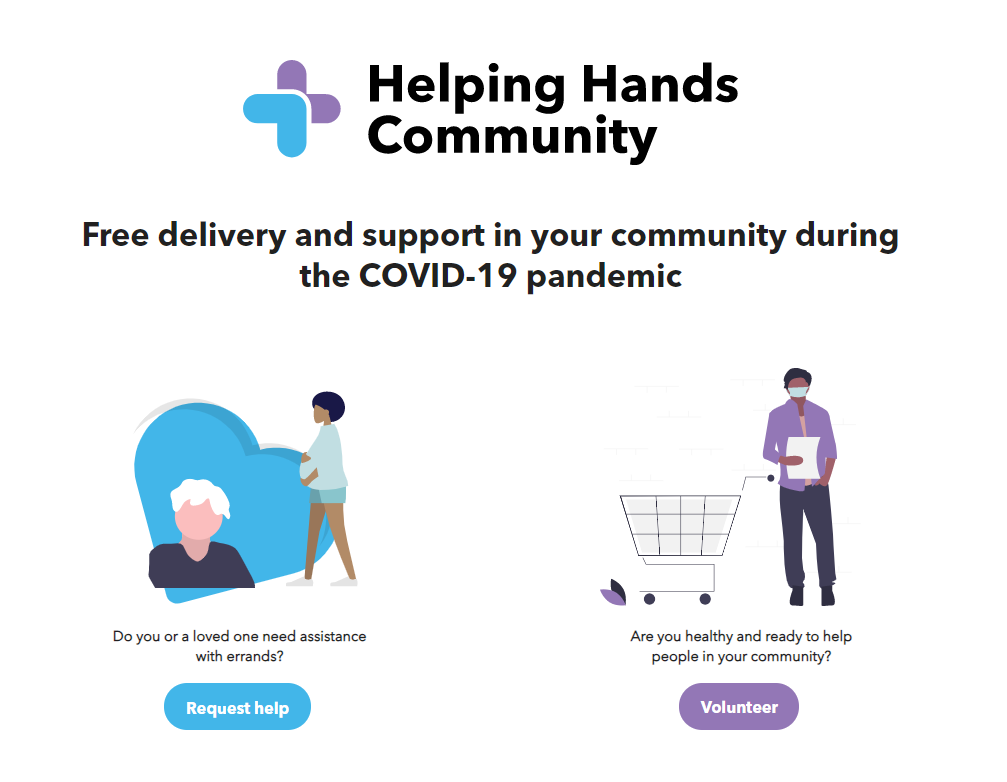
Through FleishmanHillard’s Silicon Valley connections, we learned about Helping Hands and took them on as an FH4Inclusion pro bono client, supporting their messaging, media training, strategy and communications execution.
Over the course of nine months, our scrappy team — scattered from Silicon Valley to Washington to Colorado to New York — came together to provide Helping Hands with the robust communications assets needed to successfully launch the startup nonprofit. The team created and implemented a full communications plan and assets, and conducted proactive media outreach around several key initiatives, garnering coverage in Forbes, The Mercury News and Yahoo Finance, among others.
In that time, Helping Hands also transformed its model to help local organizations solve the volunteer shortage problem brought on by the pandemic and close the gap of the “last mile” to get food to the underserved. At the end of 2020, Helping Hands, with the help of our team, delivered more than 250K meals, expanded services nationwide by leveraging partnerships in major metros including San Francisco; Washington, D.C.; New York City; Boston; Los Angeles; Chicago and Austin.
I am so proud of the work we did with Helping Hands, but what can’t be measured is the healing that this meaningful partnership brought to our team. In times of crisis, we can either put our heads in the sand and hope the storm passes, or we can put our hands (however virtual) out and make an impact in the lives of those who need a helping hand.
Photo courtesy of Helping Hands Community.
See what else is happening
You might also like
ESG
Navigating Conflicting Demands to Advance Climate Action
January 20, 2025
Opinions
Supporting St. Louis Institutions Dedicated to Empowering Youth Through FH4Inclusion
January 15, 2025
Awards
FleishmanHillard Earns Perfect Score on 2025 Human Rights Campaign Foundation’s Corporate Equality Index
January 7, 2025
Opinions
Revitalizing the San Francisco Community with the Downtown Volunteer Coalition
December 23, 2024
Expertise
Responsible Business: Navigating Today’s Challenges and Opportunities
October 22, 2024
Inclusion
Recognizing the power of the LGBTQ Community in Advertising & Media with GLAAD
October 11, 2024
Opinions
FleishmanHillard and FH4Inclusion Teams Shine at the Cannes Lions International Festival of Creativity
August 28, 2024
Opinions
Bridging the Generational Divide with Generative AI
August 27, 2024
Expertise
How to ensure access and opportunity for Black and diverse students and professionals interested in working in sports
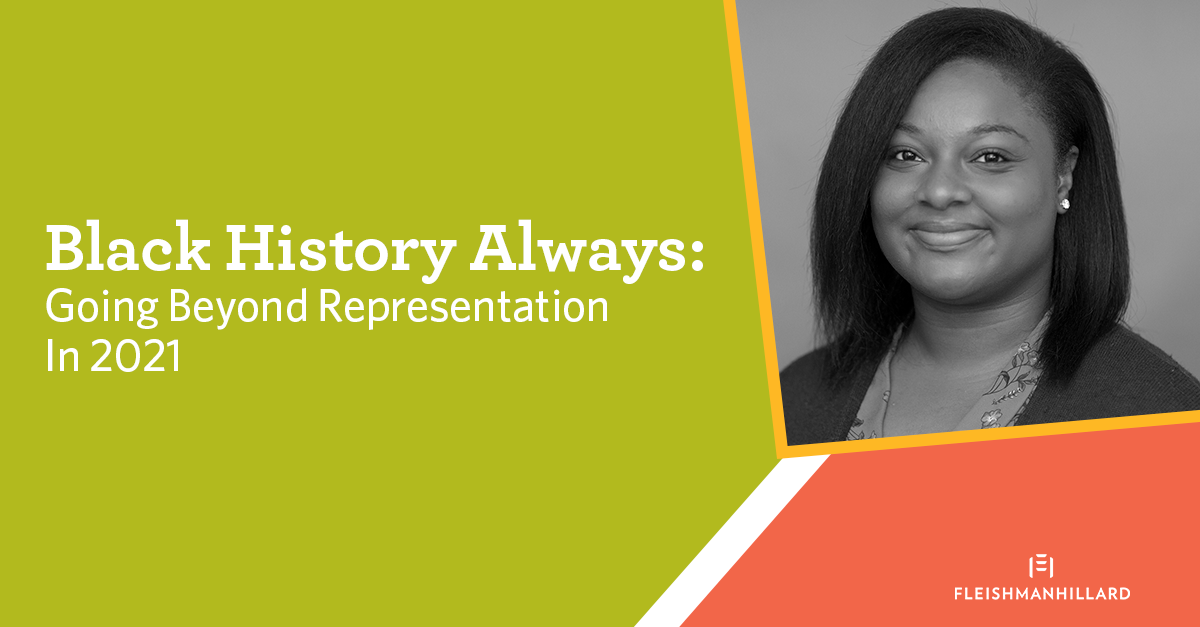
“Representation matters.” We often hear this phrase when discussing the importance of diversity, equity, and inclusion (DE&I), or the lack thereof, across industries including media and entertainment, healthcare, education, and beyond. For my mother, a child of the sixties, knowing this reality and the limitations that some would try to place on her two Black daughters, she always encouraged my sister and me to go after every opportunity we desired — regardless of if there were people that looked like us. It is upsetting that people of color are still fighting to simply be represented. And, in 2021, it’s past time for more progress — no longer can companies be content with meeting quotas and simply getting diverse people in the door. We now know that to create lasting change, diversity must be embraced and be a part of every aspect of a company’s operations.
During the past 10 months, in particular, conversations around DE&I were elevated. Many industries were forced to confront race in ways they never had before. And with the tragic deaths of George Floyd, Breonna Taylor, and Ahmaud Arbery, and the impact of COVID-19 on communities of color, many wrestled with the reality of how deeply rooted racism and injustice are in the world.
When these events took place, we witnessed organizations putting out statements of support and announcing new diversity initiatives and positions within their companies. While these steps were a start, now is the time to think about the lessons learned, how to continue applying them and evaluate progress made.
Be Authentic. Consumers wish to align with brands that practice what they preach. In fact, according to research done by FleishmanHillard TRUE Global Intelligence, 62% of consumers report they will look into how a company behaves when responding to issues of racial or gender inequality when considering whether to buy their product. Many were quick to call out organizations who put out statements that weren’t backed by actionable DE&I plans or whose history did not align with their promises. As a consumer, I take note of companies that not only spoke out during this time and were authentic in their approach, but were already implementing DE&I into their business and didn’t need this moment to make it part of their mission. Consumers will continue being vocal about those who appear inauthentic, and so organizations must be sure they are acting, listening and learning.
Look Within. Think about how people of color are represented within your organization and evaluate the purpose, practices, and culture. From an organizational standpoint, is there a culture that welcomes diversity? Is diversity represented from the C-Suite on down? Is the organization creating an environment where diverse talent can grow and desire to stay? Go beyond and ask if employees are able to bring their full selves to work. As a young professional of color, I sought to work in an environment where parts of me weren’t left at the door — something I consider even when it comes to my hair, a point my colleague raised in a recent blog post. I hope to see companies continue to not only hire, mentor, and train diverse talent, but accept these individuals for what they bring to the organization. Question who your company is, who you want to be and whether you are willing to do the work to get there.
Keep Going. This past year has shown that conversations around race and justice are more than a moment. Organizations should recognize that action goes beyond a social media post and the work continues beyond Black History Month. As a junior counselor, I try to incorporate this into the work that I do, whether it’s suggesting diverse influencers for a campaign or considering new audiences to target. Efforts around DE&I must be considered year-round.
Brands and industries have realized how integral DE&I efforts are to their success — not only in how they appeal to stakeholders and to stay competitive in the marketplace, but for their employees and workplace culture.
U.S. Vice President Kamala Harris recently expressed what my mother so fervently tried to instill in my sister and me, “You may be the first, but don’t be the last.”
What is your company doing to not only ensure there are “firsts” within the organization, but creating an environment that guarantees there aren’t any “lasts”?
See what else is happening
You might also like
Expertise
Earning Your License to Lead: UNGA, Climate Week and Beyond
September 17, 2026
Expertise
Black Hat 2026: A Conference and Industry Transformed
August 10, 2026
Expertise
When Food Safety Crises Test Trust: A Guide for Communicators
July 24, 2026
Expertise
We Went to Cannes Lions: Where the Industry Is Trending
July 1, 2026
Expertise
Healthcare’s Moment Has Arrived. The Question Now Is: Will Your Organization Move Fast Enough?
July 1, 2026
Expertise
The Visible CEO: How Leadership Can Serve as a Strategic Asset
July 1, 2026
Expertise
How to Win the GLP-1 Food Industry Wake-Up Call
June 30, 2026
Expertise
Cannes Lions Exposed an Industry’s Transition of Power: Takeaways From Winning Work
June 26, 2026
Expertise
Lessons From Cannes: Don’t Let Speed Fail Storytelling
It was June 2016. I was sitting in a room in Brussels and I was listening to a communications professional talk about his organisation’s target audience. That was the first time I heard the term ‘Brussels Bubble’. […]
Black History Month: Combating Natural Hair Bias in the Workplace
February 23, 2021
Share
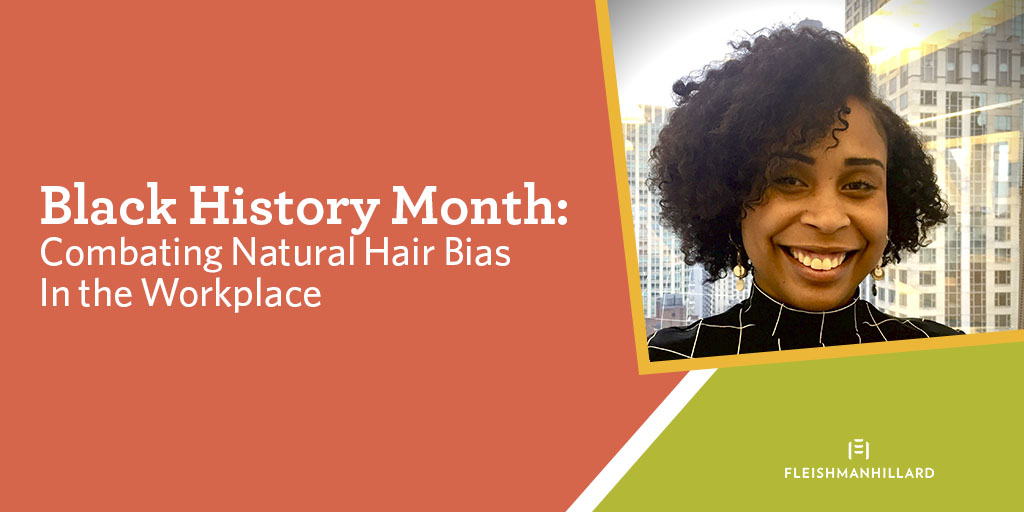
Black women are 1.5 times more likely to be sent home from the workplace because of their hair. From the interview process to promoting diverse talent, organizations need to recognize and address such microaggressions that impede the success of their Black employees. Every company will face its own challenges, but this one in particular – hair – starts at the top.
Prior to my first job in corporate America, I had been wearing my hair natural for two years after chemical perms and extremely damaged hair from straightening it consistently for 25 years. It had been a journey and a struggle, one that every Black woman shares even if her route is not specifically about transitioning, but one that I was proud of. Even so, upon graduation I feared going to an interview with my hair in big, wavy coils. So, I straightened it. For me, securing a future for my child was more important than remaining true to myself.
It took some time, but I come to work as I am now.
With even more Black women choosing to wear their hair in its natural, textured state or in protective styles, such as braids, twists, locs and knots, in the workplace, leadership needs to create a company culture that embraces the shift and, in fact, encourages authentic self-expression not only with hair, but in all aspects.
Hair discrimination among Black women has captured so much attention that U.S. federal legislation was initiated in 2019 with the goal of protecting Black women from being discriminated against – being seen as less professional or competent or risk losing their jobs – when choosing to wear their naturally textured hair or protective hairstyles. This legislation is still pending.
While some states and cities have enacted the bill, there are some where this type of discrimination is still legal. I’m happy to see laws are being put in place to protect us, but there is more work that needs to be done to normalize Black hair within company culture; to value a woman’s professional performance instead of combatting her natural physical appearance. This may seem like a small problem to some but embracing this much-needed change symbolizes eradicating the choice between surviving and thriving for Black women.
To combat hair and other biases, organizations should follow these best practices:
1. Eliminate discriminatory language in policies around appearance. Dress code and appearance guidelines are standard for most organizations, but policies should be evaluated to remove language and actions that discriminate against employees’ immutable characteristics. Even implicit language should be evaluated.
2. Train employees. When conducting interviews or promoting staff for achievements and accolades, bias can unconsciously creep in due to societal norms, limited exposure, etc. This often leads to unintentional or purposeful discrimination which perpetuates the advancement of individuals from the majority group over those who are Black. Training on conscious inclusion is needed to break down these barriers and level the odds for diverse employees and candidates with similar aptitudes and abilities as their peers.
3. Ensure diversity is reflected both within and beyond the walls of your organization. This is twofold. Internally, it’s important to have people of all backgrounds represented throughout your organization. Black interns are just as important as Black vice presidents. This ensures everyone has a voice and is exposed to a diversity of topics and POVs, helping to nurture a culture of understanding.
Externally, it’s just as important that organizations reflect diversity accurately on websites, social channels and resources that potential employees may encounter. For example, when researching new job opportunities, if I see someone who looks like me on the organization’s website, it reinforces that diversity, equity and inclusion (DE&I) is touted as a priority for the organization.
While keeping all this in mind, remember that hair is only one of many barriers to hiring and retaining Black employees. As your organization reflects on commitments and initiatives, check out True Self x True MOSAIC to learn how to authentically engage on DE&I. As we continue to put in the work, I hope to see future generations, including my kids, being valued for themselves – not having to choose between their livelihood and remaining true to who they are. This must be accomplished through the united efforts of advocates, leadership and organizations enforcing DE&I.
See what else is happening
You might also like
Expertise
Earning Your License to Lead: UNGA, Climate Week and Beyond
September 17, 2026
Expertise
Black Hat 2026: A Conference and Industry Transformed
August 10, 2026
Expertise
When Food Safety Crises Test Trust: A Guide for Communicators
July 24, 2026
Expertise
We Went to Cannes Lions: Where the Industry Is Trending
July 1, 2026
Expertise
Healthcare’s Moment Has Arrived. The Question Now Is: Will Your Organization Move Fast Enough?
July 1, 2026
Expertise
The Visible CEO: How Leadership Can Serve as a Strategic Asset
July 1, 2026
Expertise
How to Win the GLP-1 Food Industry Wake-Up Call
June 30, 2026
Expertise
Cannes Lions Exposed an Industry’s Transition of Power: Takeaways From Winning Work
June 26, 2026
Expertise
Lessons From Cannes: Don’t Let Speed Fail Storytelling
Swipe to Meet Chris Urquhart, Senior Account Executive — Tech
February 10, 2021
Share
As a team, all the brilliantly talented, unique individuals that work at FHF deliver amazing work for our clients. Each person’s individual strengths, passions and ambitions are what makes FHF an incredible agency, a diverse talent pool of creative minds solving complex communications challenges and a certified ‘Best Place to Work’. […]
Black History Month: Remember Our Past to Make a Better Future
February 4, 2021
Share
As a media strategist, I recognized long ago the power of storytelling and that it’s so critical to tell the stories of individuals from diverse backgrounds to educate, inspire and motivate – revealing the intricate fabric that makes up the U.S. and the world as a whole.
Storytelling doesn’t only ensure we’re aware of the present and issues of the day, but that we remember our past to make a better future. It’s our duty as human beings living on this earth.
After this history-breaking year plus, we need to make certain that happens.
As I think back, the most impactful stories didn’t all necessarily come from history class, but the precious moments I shared with my parents, grandparents, great-grandparents, aunts, uncles, etc. Hearing the well-known story of the little Black boy from Money, Miss. who never came home that haunted my father as a boy growing up in a small town in the same state; about my great-grandmother’s pride in her Black heritage who often “passed” (as Caucasian) and giving up her front seat on a bus when a Black soldier was told to sit in the back. She sat right next to him. Hearing tales of the strong grit and resolve of my grandmothers who worked themselves to the bone at multiple jobs just to put food on the table and keep a home. My father’s stories about Black communities in the segregated South who took great pride in their teachers, doctors, lawyers, etc. Teachers who taught him Black history that was absent from traditional history books. Neighbors who would give him the shirt off their backs if he needed it. Heroic stories of generations of men in my family (my grandfather, father and uncles) serving in the U.S. Armed Forces, fighting for the very freedoms we enjoy today.
I would also hear the stories of Native Americans, whose bloodline runs deep in my family as well; accounts of the brave immigrants who passed through Ellis Island, various cultures and pivotal moments throughout Africa, Asia, Europe, the Caribbean and more.
All of our histories merge to weave the beautiful (even if very bleak at times) tapestry of the U.S. and greater society.
This Black History Month, let’s take time to reflect on and celebrate all of the wonderful contributions, accomplishments, and histories of African-Americans in this country and beyond. And to remember that no matter your background, we are all intricately connected and have a responsibility to remember and pass down stories from one generation to the next, so that we can push toward a better future. I plan to do my part.
See what else is happening
You might also like
ESG
Navigating Conflicting Demands to Advance Climate Action
January 20, 2025
Opinions
Supporting St. Louis Institutions Dedicated to Empowering Youth Through FH4Inclusion
January 15, 2025
Awards
FleishmanHillard Earns Perfect Score on 2025 Human Rights Campaign Foundation’s Corporate Equality Index
January 7, 2025
Opinions
Revitalizing the San Francisco Community with the Downtown Volunteer Coalition
December 23, 2024
Expertise
Responsible Business: Navigating Today’s Challenges and Opportunities
October 22, 2024
Inclusion
Recognizing the power of the LGBTQ Community in Advertising & Media with GLAAD
October 11, 2024
Opinions
FleishmanHillard and FH4Inclusion Teams Shine at the Cannes Lions International Festival of Creativity
August 28, 2024
Opinions
Bridging the Generational Divide with Generative AI
August 27, 2024
Expertise
How to ensure access and opportunity for Black and diverse students and professionals interested in working in sports
FleishmanHillard Davos Digest World Economic Forum 2021 – The Davos Agenda
January 29, 2021
By Jack McGee
Share
The view from around the world…
Stephanie Bailey, Senior Partner, Managing Director of Corporate and Head of FleishmanHillard COP26 Unit What a year. What a year. At the WEF Davos Summit last January, there was hardly a mention of the new coronavirus. Barely a peep. […]
Listen: How Has the FleishmanHillard Business Grown and Evolved in Ireland Through the Years?
January 27, 2021
By Skelly Conor
Share
Rhona Blake, Managing Director at FleishmanHillard Dublin recently spoke to Irish Business Builders podcast, “a show about great Irish businesses, and the people who built them.” Here Rhona discusses everything from the foundation and evolution of the FleishmanHillard business in Ireland, communicating strategically for global and smaller clients, to the importance of creativity and talent, and more. […]