FleishmanHillard UK crowned Best Agency for Public Affairs
February 17, 2022
Share
FleishmanHillard UK is PRWeek UK Corporate, City & Public Affairs Awards winners, scooping the top prize for Best Agency for Public Affairs! It was expressed that high-quality client work and creative campaigning, for the likes of UKHospitality, impressed the judges. The judges said: “Good growth, impressive diversity stats, quality client work and creative campaigning combine […]
FleishmanHillard Discusses the Quality of Women’s Health at GEEF 2022 Session in Korea
February 16, 2022
Share
FleishmanHillard in Korea held a panel at this year’s Global Engagement & Empowerment Forum on Sustainable Development (GEEF) in Seoul. During the session, panelists discussed the status of women’s health policy in Korea and women’s health as a critical global agenda.
Accessibility at Work: Cultivating a Culture of Disability Inclusion
February 14, 2022
Share
Over the past decade, many industries have begun creating products and services from an “accessibility-first” perspective: one that considers the needs of as many people as possible from the start. This approach prioritizes equitable experiences for users, including the estimated 1.2 billion persons with disabilities across the world. As communications practitioners, it is vital to ensure that materials are designed with a diverse audience in mind.
However, to cultivate a true culture of accessibility, we must not merely consider the impact of products and services on users. We must push beyond what we create to look at who we are as creators to open meaningful dialogues concerning our own workplace environments. When communications departments fail to maintain a culture that respects and values people with disabilities, this fails us all.
Here are three ways we can all support a culture of disability inclusion in the workplace:
Ramp up disability inclusion education
The path to creating an accessible environment for individuals with disabilities begins with developing a workplace culture that is founded in and actively practices inclusive values. Through top-down promotion of accessibility education, all employees can gain deeper insight into the experiences and needs of others.
Training and education practices need not be limited to official seminars or mandated online programs. Initiatives such as creating inclusive language and design guides and inviting speakers on disability and accessibility topics can enrich both the work we create and those who create it. Other activities like holding brainstorm sessions, with the intent to identify strategies to counteract disability biases, also support active learning.
Additionally, partnerships and collaborations offer valuable opportunities to support accessibility education and development. FleishmanHillard’s membership within The Valuable 500 – a network of companies committed to supporting disability inclusion – strengthens our capacity to develop and act upon accessible strategies within business.
Overall, educational programs and strategies must emphasize appropriate workplace behavior, how to uphold core accessible values in business and the process for reporting behavior that violates these values.
Promote accessible hiring practices
Creating an inclusive recruitment program requires consistent actions to combat hiring biases and proactively include those with disabilities. While inclusive hiring is founded in the domain of human resources professionals, it is ultimately a collaborative effort.
First, accessible job descriptions are a must. The language used within these descriptions reflect the values of the hiring organization and informs the applicant’s perception of the workplace culture. Where possible, communications professionals must advocate for up-to-date disability inclusion statements and accessible language in the role description. These should be regularly reviewed and revised as language conventions evolve.
Additionally, practices such as posting positions on job boards or attending career fairs that specifically support people with disabilities facilitates equitable recruitment. Furthermore, ensuring hiring teams are comprised of people with diverse identities and perspectives introduces a higher level of objectivity into this process. Communications professionals should use their position within a hiring team to actively support accessible practices, to the extent possible given their role within an organization.
As an example of such efforts, FleishmanHillard has partnered with the International Paralympic Committee and other Omnicom agencies to launch #WeThe15 – a decade long campaign that aims to further access to core human rights such as employment, education and healthcare for the 15% of the world with disabilities. An active commitment to disability inclusion during hiring is a critical part of breaking down barriers that people with disabilities face.
Establish and support employee resource groups
Everyone deserves a space where they feel heard and respected for their most authentic selves. Employee Resource Groups (ERGs) are voluntary groups, created with the purpose of supporting an inclusive environment, comprised of and led by employees who share a common identity or who are allies.
People with disabilities can form connections with individuals across entire organizations that may not otherwise be organically developed. These connections foster a sense of belonging within the workplace and bolsters employees’ ability to create diverse, groundbreaking work through collaborations.
At FleishmanHillard, our DisAbility Community ERG creates a space for people with disabilities and allies to find support and engage in open communication. Through enabling productive discussion about inclusive practices and the lived experiences of people with disabilities, this group has a unique and active impact on our communications work.
Conclusion
Each of these steps bring us closer to creating a culture of accessibility. However, at FleishmanHillard, we recognize the need to continuously improve and adapt our strategies on the path to inclusion. Through regular review and dialogues concerning these practices, communications professionals can foster disability inclusion around the world.
See what else is happening
You might also like
Expertise
Live From ADWEEK House: The Three Barriers Holding Brands Back From Bold
October 7, 2026
Expertise
The Boldest Brands Turn Chaos Into Competitive Advantage
October 6, 2026
Expertise
Earning Your License to Lead: UNGA, Climate Week and Beyond
September 17, 2026
Expertise
Black Hat 2026: A Conference and Industry Transformed
August 10, 2026
Expertise
When Food Safety Crises Test Trust: A Guide for Communicators
July 24, 2026
Expertise
We Went to Cannes Lions: Where the Industry Is Trending
July 1, 2026
Expertise
Healthcare’s Moment Has Arrived. The Question Now Is: Will Your Organization Move Fast Enough?
July 1, 2026
Expertise
The Visible CEO: How Leadership Can Serve as a Strategic Asset
Gen Z: Evolving Social Media and Sports Preferences
Share
The pandemic has brought all generations into the digital world to work, connect, socialize and be entertained. Members of Generation Z have lived their entire lives digitally, but as they come of age, they are cementing their status as purveyors of culture, drivers of consumer growth and are redefining the media landscape. Their lives are lived through social media, their lifestyles are defined by the content they consume and they are shaping cultural moments – such as in sports, lifestyle and fashion – from the comfort of their mobile devices.
In partnership with FleishmanHillard’sTRUE Global Intelligence practice, BlueCurrent China released a global study on Generation Z in China, Japan and the UK during Q4 2021. The report aims to understand how this generation is poised to engage with cultural moments through digital platforms, influencing how these moments are made.
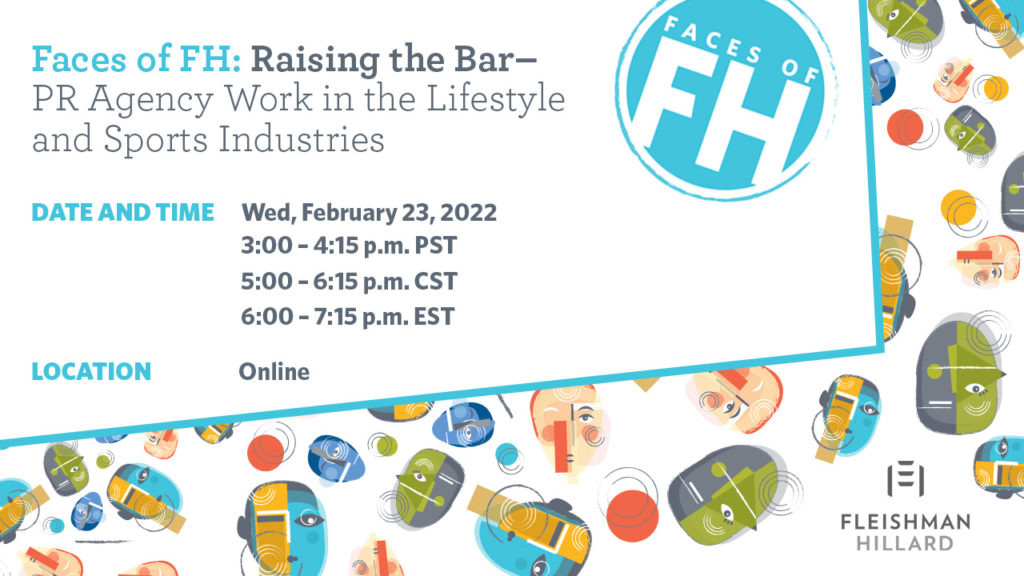
Join several of our agency leading professionals on February 23 as they discuss the intersection between public relations and lifestyle and sports brands.
During the event, Adrianne Smith, chief diversity and inclusion officer, will kick off the webinar with an overview of the agency and our 2022 DE&I plans. Aubrei Hayes, senior specialist, Talent Development, will facilitate the conversation with Kathryn Chappell, senior vice president and partner; Courtney Quaye, senior vice president and partner; Pritni Sandhu, vice president and Morgan Thompson, account executive. Together, they will discuss their career journeys in lifestyle and sports PR, how creativity plays an important role in the work they produce for clients and more.
Megan Battelle, senior manager, Talent Development, will also share information on the agency’s recruiting process and current opportunities available.
Participants will have the opportunity to ask questions during the event.
For working parents, the decision to leave a job – or stay – is complicated. In many cases, that difficult decision comes down to a fundamental factor: employer support and flexibility.
Being a working parent with a new baby is tough – and it’s even tougher during a pandemic. From daycare closures to sick kiddos to sleepless nights, the list could go on. Put simply, new parents are in survival mode.
But let’s start from the beginning.
Those first few weeks with a newborn baby are filled with questions. Why won’t they sleep? What does that cough mean? Should I call the pediatrician? Then, when it comes time to return to work, a new slew of questions arises. Will my baby do okay with daycare? How will I adjust and balance it all?
Cut to … the first week back. Your baby does surprisingly well at daycare – and you survive the first day of drop-off. But then, your baby catches a cold and must be home. The next week, their classroom shuts down due to COVID-19.
In a pandemic-free world, it’s already challenging for many new parents to return to work and find balance. With an ongoing pandemic, returning to work can easily lead to unmanageable stress and burnout. In fact, in about half of U.S. families, one or both parents left the workforce or scaled back at work to care for children during the pandemic. That’s more than 3 million parents who left the workforce since spring of 2020.
Taking the time to understand what your colleagues are going through, providing support and flexibility, could be the difference between talent lost and talent retained. It could even make or break the decision of prospective employees to choose your company over another as parents who left the workforce consider reentry.
So, what can you do? Here are a few basic ways you can make it easier for new parents as they return to work:
Hold leaders and managers accountable. It’s important for new parents to find adequate coverage while they’re out – and they shouldn’t have to do it alone. For me, my manager and team lead were fully invested in a stress-free exit. They made time to meet and share feedback on my plan – and helped coordinate staffing conversations.
Welcome new parents back. Make the team aware that a new parent is returning and encourage time to connect. On my first day back, my manager made time for us to chat over lunch about not only workload and priorities, but also how I was doing. I received texts, IMs and emails from colleagues welcoming me back. It’s as easy as a quick note or 15-minute call to make new parents feel welcomed, valued and cared about. Make them feel like a priority.
Encourage meetups with other new parents. The good news is it’s likely that there’s someone else who has recently dealt with the same challenges of returning to work and has some wisdom to impart. I was able to meet with a few colleagues virtually to commiserate over our experiences and even get some hot tips for finding balance. In some instances, an organized group could also be helpful to new parents; at FleishmanHillard, we created a Parenting Employee Resource Group. Make your managers aware of resources like this to share with their new parents upon return.
Allow new boundaries and reinforce flexibility. For some, daycares close at 4:30 or 5 p.m., while others just might need the early evening hours to spend with their children before bedtime. Whatever the time or reason may be, setting new boundaries and taking advantage of flexibility options can be a lifesaver for new parents. If the work gets done right, your clients or customers are happy and it’s viable for your business to implement, then do away with rigid work schedules. Many of your employees, and their families, will appreciate it.
Revisit and recalibrate career goals. Encourage managers and new parents to sync on their goals upon return. Revisiting goals can help both the employee and manager reset and stay on the right path. It may also be beneficial to debrief on what went well and what didn’t during their transition to continuously learn and improve the experience for other new parents.
As a new mom, I feel fortunate. Working at a Top Company for Executive Women, my transition back to work has been easy thanks to colleagues who understand, an engaged and supportive manager, and flexibility where it counts. None of which cost any money but can make all the difference.
While employers cannot remove the burdens and unexpected obstacles that come with a pandemic, it’s the simple things companies can do to move parents from a state of survival mode to meaningful work-life balance.
See what else is happening
You might also like
Expertise
Live From ADWEEK House: The Three Barriers Holding Brands Back From Bold
October 7, 2026
Expertise
The Boldest Brands Turn Chaos Into Competitive Advantage
October 6, 2026
Expertise
Earning Your License to Lead: UNGA, Climate Week and Beyond
September 17, 2026
Expertise
Black Hat 2026: A Conference and Industry Transformed
August 10, 2026
Expertise
When Food Safety Crises Test Trust: A Guide for Communicators
July 24, 2026
Expertise
We Went to Cannes Lions: Where the Industry Is Trending
July 1, 2026
Expertise
Healthcare’s Moment Has Arrived. The Question Now Is: Will Your Organization Move Fast Enough?
July 1, 2026
Expertise
The Visible CEO: How Leadership Can Serve as a Strategic Asset
Buckle up for 2022: the year of connected mobility
February 8, 2022
Share
The EU digital policy took center stage last year with the Data Governance Act, Artificial Intelligence Act and the revision of Network and Information Security Directive on the top of political agenda. This year however, EU policymakers will prepare the ground for true connected mobility. Halfway through its political mandate, the European Commission is set […]
Connecting with Community – The Expansion of FH4Inclusion to Support North Carolina Nonprofits Note In the Pocket and Second Harvest Food Bank
February 7, 2022
By Cody Norman
Share
Local nonprofits play a significant role in transforming communities into healthier, stronger and more equitable places to live. The ongoing pandemic, though, introduced significant challenges, with more than 70% of North Carolina organizations unable to fully accomplish their missions in an all-virtual environment.
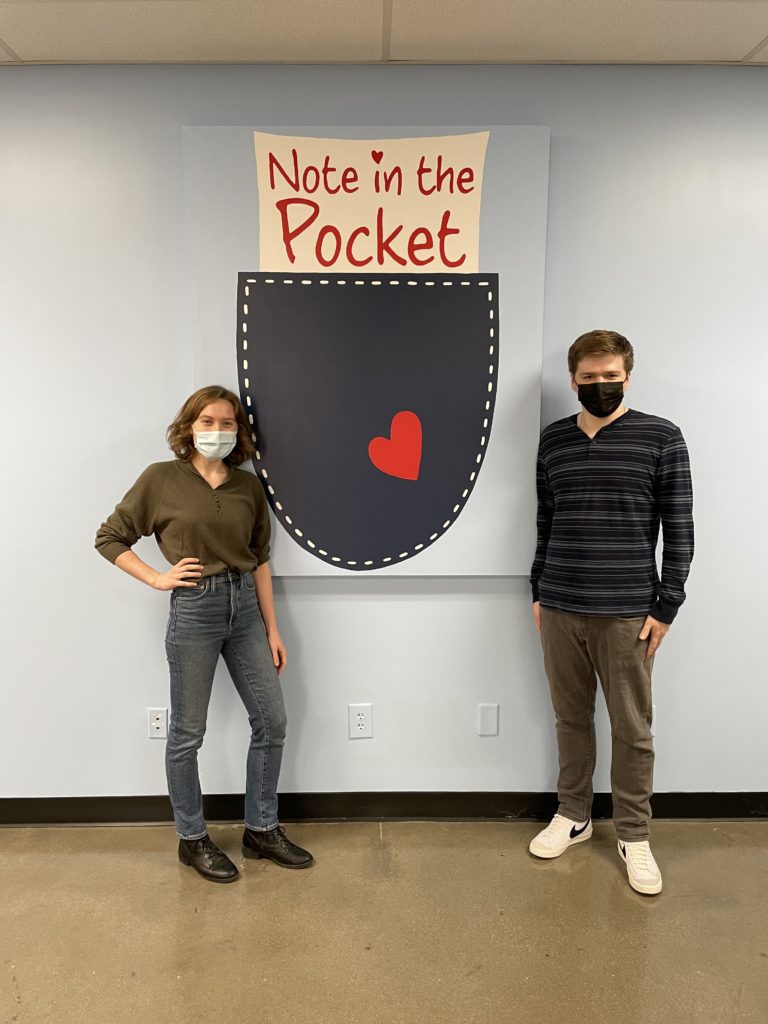
Our FleishmanHillard team in North Carolina strengthened community ties in Charlotte and Raleigh by working closely with two nonprofits – Note in the Pocket (NITP), whose mission is to provide clothing to low-income and homeless children in Wake County, and Second Harvest Food Bank of Metrolina, an organization dedicated to nourishing the Charlotte community by collecting food and household items.
Deepened Partnership Through FH4lnclusion
NITP works with the Wake County Public School System’s social workers and case managers to identify students in need and prepare seasonal wardrobes customized to each child’s specific sizes and styles. After volunteering with NITP several times to sort clothing donations, we were eager to deepen our support by applying our public relations skills and resources on their behalf.
In March, we launched a six-week media relations campaign to amplify the organization’s annual fundraiser, the Socks & Undie 5K Rundie. Our team developed media materials, sent customized pitch notes and coordinated interviews with local broadcast media, which garnered 20 earned media pieces and more than 9.48 million impressions. Our work helped NITP drum up record-breaking results, with more than 800 collective supporters (including registrants, volunteers and sponsors) and $115,000 in donations, which is equivalent to clothing 1,000 children.
“Partnerships are a vital part of achieving our mission. Without the support of volunteers, referral agencies, donors and local businesses, we would not be able to clothe thousands of children each year,” shared Sarah Caldwell, development director of NITP. “We are extremely grateful to the team at FleishmanHillard for lending their continued support and thank them for helping us clothe with dignity and love!”
Remote Holiday Food Drives
As the end of year holiday season approached, the team collected food items throughout November to support local food banks. These donations, which totaled 250 meals at Wake County’s Food Bank of Central and Eastern North Carolina and 175 pounds of goods at Second Harvest Food Bank of Metrolina (SHFB), not only helped the organizations prepare for the holidays, but also supported their hundreds of partner agencies.
“All food and non-food items are distributed to our 950+ partner agencies,” said Betsy Van Dyne, volunteer coordinator of SHFB. “This includes soup kitchens, homeless shelters, low-income daycare centers and emergency pantries. We could never do all that we do without the help of each and every volunteer.”
In-Person Volunteering
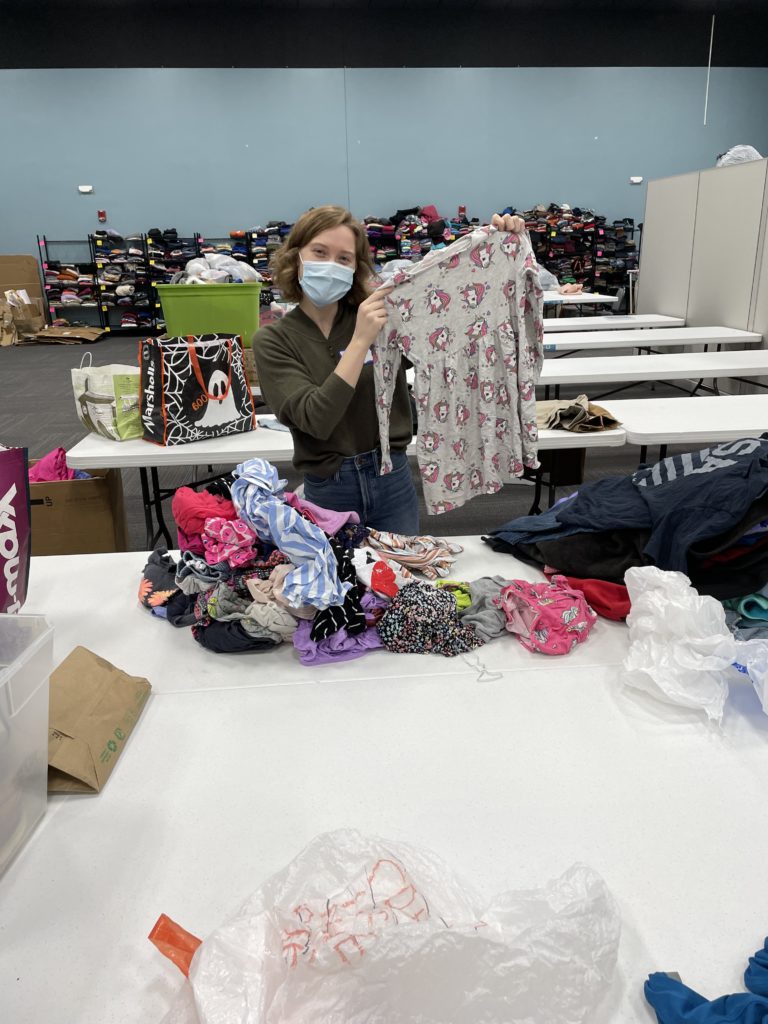
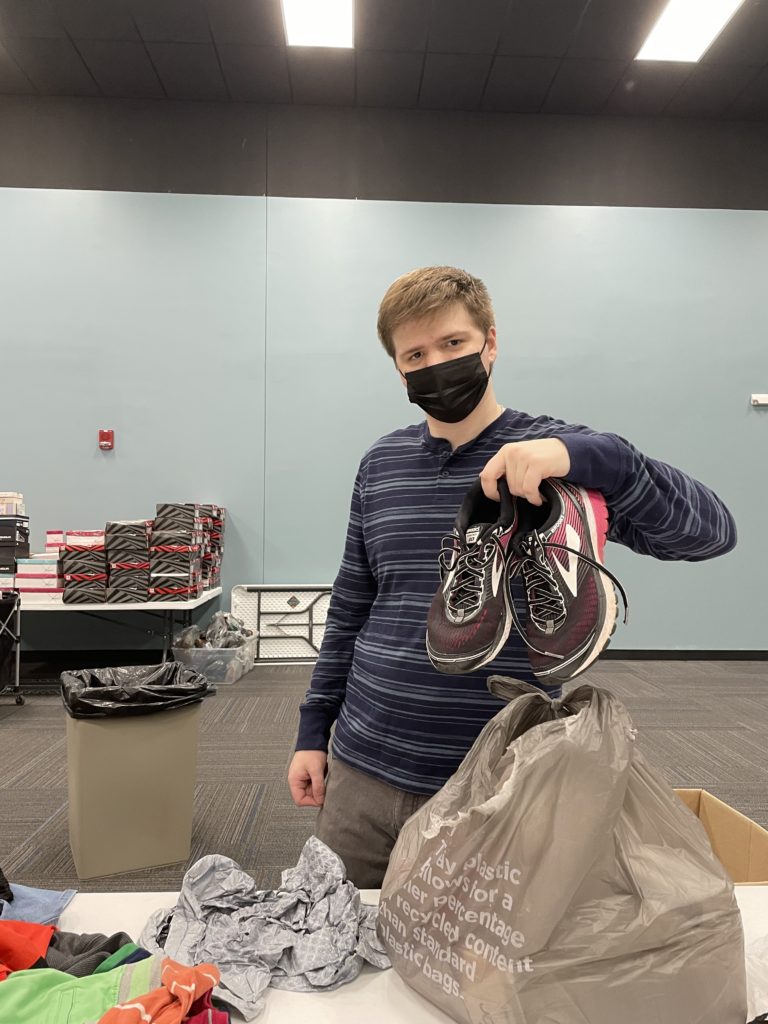
FleishmanHillard in North Carolina decided to end 2021 with in-person volunteering at the organizations we engaged with earlier in the year. The Raleigh team visited NITP’s new warehouse location, where we sorted and processed clothing donations for children and families.
FleishmanHillard Raleigh colleagues volunteering at Note in the Pocket.
“It’s been so fulfilling to grow our partnership with Note in The Pocket over the last three years,” shared Elizabeth Comtois, senior account executive at FleishmanHillard. “I’m thankful to FleishmanHillard for giving us the space to lend our time and expertise to do work that matters personally to us.”
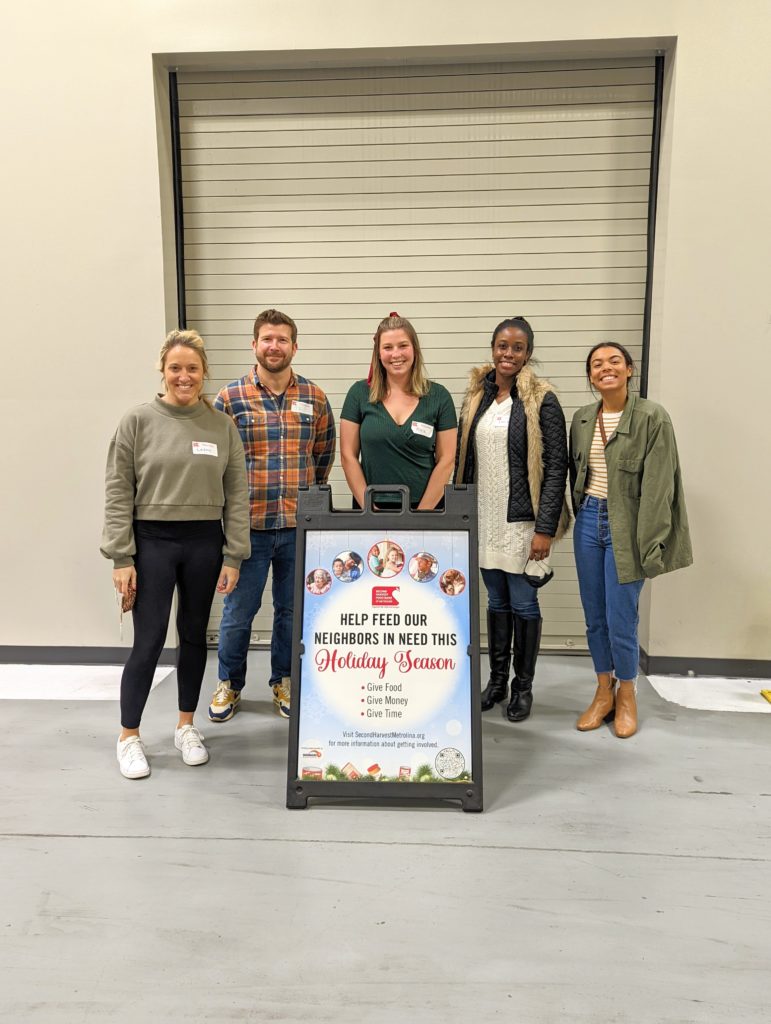
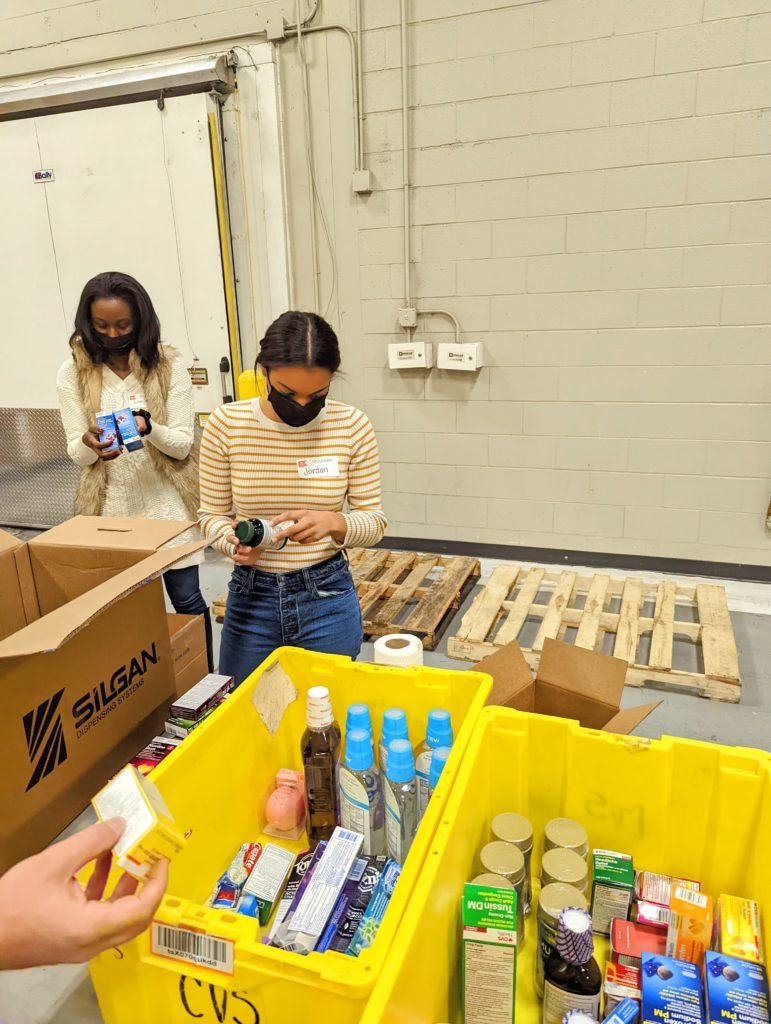
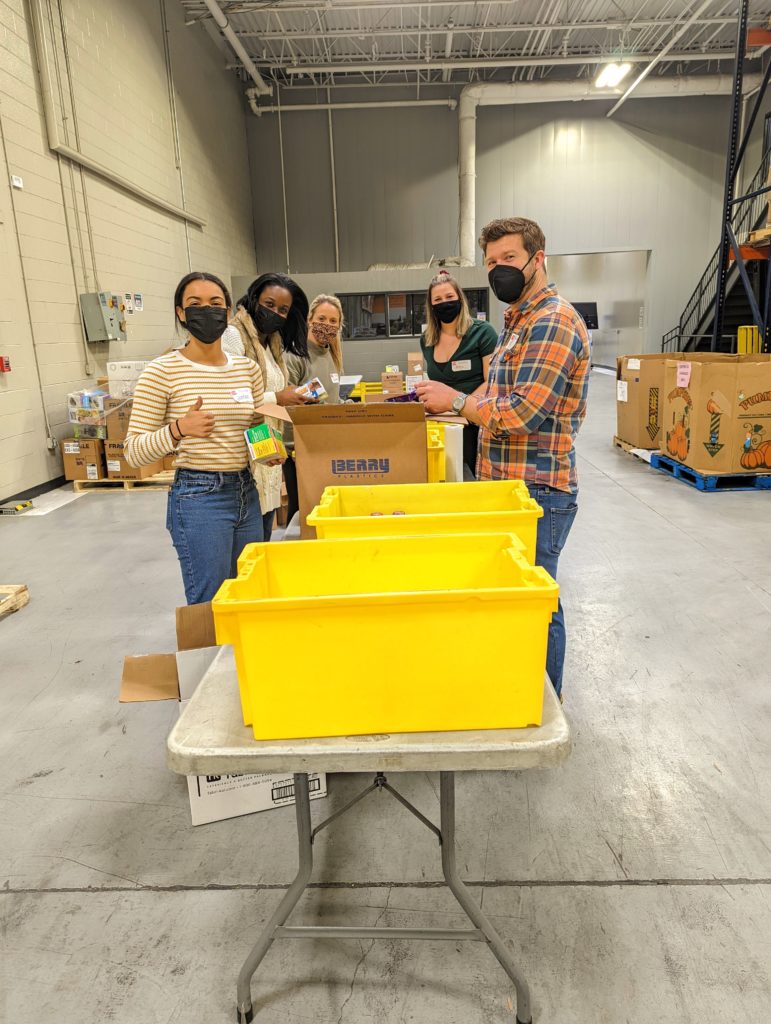
The Charlotte team returned to SHFB to sort donations for neighborhoods in need, where we helped unbox, organize and distribute items donated from major retailers.
FleishmanHillard Charlotte colleagues sorting donations at Second Harvest Food Bank of Metrolina.
“A volunteer can sort approximately 900 pounds of food in a three-hour shift. This translates into 750 meals. FleishmanHillard had five volunteers, so you could say they provided the equivalent of 3,750 meals to our community,” Van Dyne said.
“It’s really exciting to build relationships with these organizations,” added Jordan Williams, assistant account executive at FleishmanHillard. “Between our food drives and in-person opportunities, it’s been great to support such meaningful causes in our communities.”
As we plan our efforts in 2022, FleishmanHillard in North Carolina is excited to keep growing our nonprofit partnerships and act on the various ways we can give back to our hometowns.
See what else is happening
You might also like
Opinions
Supporting St. Louis Institutions Dedicated to Empowering Youth Through FH4Inclusion
January 15, 2025
Awards
FleishmanHillard Earns Perfect Score on 2025 Human Rights Campaign Foundation’s Corporate Equality Index
January 7, 2025
Expertise
Responsible Business: Navigating Today’s Challenges and Opportunities
October 22, 2024
Inclusion
Recognizing the power of the LGBTQ Community in Advertising & Media with GLAAD
October 11, 2024
Opinions
FleishmanHillard and FH4Inclusion Teams Shine at the Cannes Lions International Festival of Creativity
August 28, 2024
Expertise
How to ensure access and opportunity for Black and diverse students and professionals interested in working in sports
August 7, 2024
Events
FleishmanHillard’s Leela Stake and Francesca Weems to Join Paradigm’s Joelle Emerson on Inclusive Communication Webinar
August 1, 2024
Events
FleishmanHillard Talks Creativity, Inclusion and Diversity at This Year’s Cannes Lions International Festival of Creativity
June 12, 2024
Inclusion
Success on Repeat: Alumni of the Alfred Fleishman Diversity Fellowship Discuss Promotions and How to Get Them
FleishmanHillard Earns CSR Agency of the Year and Client Shortlists at PRNews Social Impact Awards 2022
February 4, 2022
Share
ST. LOUIS, February 4, 2022 — FleishmanHillard earned two finalist nods at the PRNews Social Impact Awards 2022 for its meaningful corporate social responsibility initiatives and excellent sustainability work on behalf of client Alexion.
FleishmanHillard, “Redefining Social Impact at FleishmanHillard” (CSR Agency of the Year)
Presented by PRNews, the Social Impact Awards highlight communicators and organizations that prioritize giving back to and bettering their communities. The award program celebrates campaigns that advocate for a diverse, equitable future and redefine organizations’ roles in global change.
Winners will be announced at the in-person PRNews Social Impact Awards 2022 gala on April 20.
Executives are investing more time and resources on communications in 2022, but how can they break through to increase personal and brand visibility in meaningful ways? FleishmanHillard’s group of 150 executive visibility counselors work to build reputation with stakeholders through timely and engaging techniques. Here are our predictions for executive visibility trends and setbacks in 2022:
What’s Working:
Dynamic multi-format content on LinkedIn: As media increasingly turns to LinkedIn for sources and a pulse on everyday trends, the algorithmic platform is evolving to favor newsletters and diverse creative assets, including polls, documents and videos, giving leaders more ways to engage with key influencers and stakeholders.
Content cadence experimentation: The pandemic shifted ways we consume information, putting a new emphasis on post frequency and good timing. Consider posting on Saturdays, when research shows 60% of all LinkedIn members check the site, yet only 20% of users publish content. Creator Mode can also help grow followers and increase reach if content contains the hashtags highlighted in the executive’s profile.
Podcasts + Media Councils: In the competitive earned media landscape, podcasts and media councils help cut through clutter with in-depth stories from a third party for added validity. Boost social shares of this content with paid to really reach audiences where they are!
What’s Not Working:
External link promotion: Platform algorithms are prioritizing user experience, demanding executive content works harder to standout via quality POVs. New research finds LinkedIn articles, shares and short-form posts with links as the creative asset perform significantly lower than in years past.
Executive travel schedules: As the pandemic put a hold on many in-person meetings, the digital-first workplace opened doors to flexible hours and geographic location. While nothing can replace the value of face time, reporters are increasingly trading coffee shops for video calls when building relationships. Maximize opportunities to connect with leaders and hear from them directly on priority messages.
Wavering Social Platforms: Clubhouse was fun while it lasted, but podcasts remain king of soundbites. Executives are looking to established platforms to share their perspectives.
What Might be Possible in 2022:
In-person events: Events remain at the mercy of the pandemic. In-person industry conferences drive sales and exhibits, but hybrid offerings are crucial to encourage participation. Be prepared for in-person events to shift to hybrid or fully virtual.
Salon stakeholder dinners: Gathering for casual business conversation is a great culture fit for some, but not for all. Anticipate different forms of in-person gatherings taking its place.
TikTok and Twitter: Will executives make their way to TikTok? To be determined, but research shows the number of professionals who watch TikTok content grew 13% in 2021. Similarly, the clutter of Twitter poses increasing challenges, especially when starting a channel from scratch. With so many voices on Twitter fighting for the spotlight, the platform can easily become oversaturated with content which poses a challenge to reach key audiences in a meaningful way.
See what else is happening
You might also like
Expertise
Live From ADWEEK House: The Three Barriers Holding Brands Back From Bold
October 7, 2026
Expertise
The Boldest Brands Turn Chaos Into Competitive Advantage
October 6, 2026
Expertise
Earning Your License to Lead: UNGA, Climate Week and Beyond
September 17, 2026
Expertise
Black Hat 2026: A Conference and Industry Transformed
August 10, 2026
Expertise
When Food Safety Crises Test Trust: A Guide for Communicators
July 24, 2026
Expertise
We Went to Cannes Lions: Where the Industry Is Trending
July 1, 2026
Expertise
Healthcare’s Moment Has Arrived. The Question Now Is: Will Your Organization Move Fast Enough?
July 1, 2026
Expertise
The Visible CEO: How Leadership Can Serve as a Strategic Asset